Where Is Somnath and Why It Matters
Somnath stands at Prabhas Patan near Veraval in the Saurashtra region of Gujarat, on the western shore where the land meets the Arabian Sea. It is honoured as the first of the twelve jyotirlingas - the self-manifested radiant lingas of Lord Shiva. The name Somnath means 'Lord of the Moon', for the Moon god Soma is said to have first worshipped Shiva here. To begin the jyotirlinga yatra at Somnath is considered deeply auspicious.
The Katha of Soma and the Moon
According to the katha, the Moon god Chandra (Soma) married the twenty-seven daughters of Daksha but loved only Rohini, neglecting the rest. The angered Daksha cursed Chandra to wane and lose his light. On the advice of the gods, Chandra came to Prabhas and performed intense penance to Lord Shiva, installing a linga here. Pleased, Shiva granted that the Moon would wane and wax in cycles rather than fade forever. In gratitude, Chandra built a golden shrine, and the place became known as Somnath.
Destroyed and Rebuilt Many Times
Somnath is famed for its resilience. Over the centuries the temple was plundered and demolished several times - most notably by Mahmud of Ghazni in 1026 CE - yet devotees rebuilt it again and again. The present temple was reconstructed in the Kailash Mahameru Prasad style after India's independence, championed by Sardar Vallabhbhai Patel, and consecrated in 1951. Its repeated rise from ruin makes Somnath a powerful symbol of unbroken faith.
Darshan, Aarti and Timings

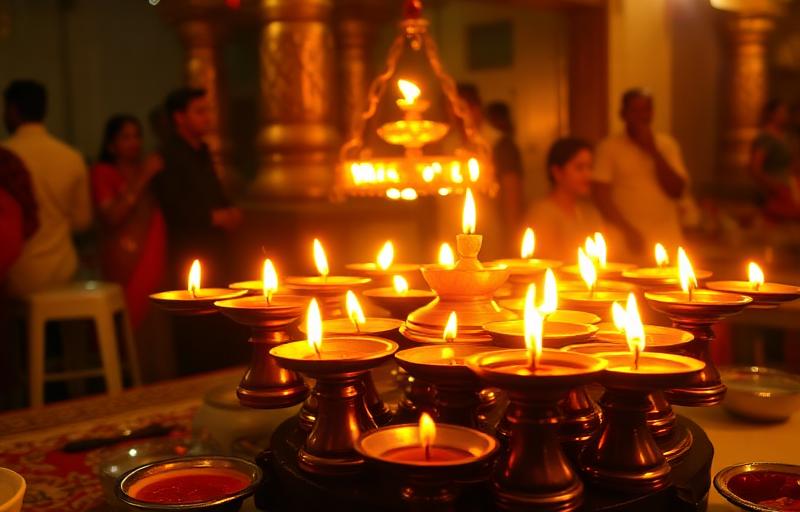
The temple is open for darshan from early morning until late evening, and the linga is worshipped at fixed hours. Aarti is performed three times a day - morning, noon and evening - and devotees gather in large numbers for the evening aarti by the sea. A popular Sound and Light show in the temple courtyard narrates the temple's history after dusk. Photography inside the sanctum is not allowed, and phones must be deposited at the entrance counters.
Mantra to Chant at Somnath
Before the jyotirlinga, devotees chant the universal Shiva mantra:
Om Namah Shivaya
Many also recite the Maha Mrityunjaya Mantra for health and longevity:
Om Tryambakam Yajamahe Sugandhim Pushtivardhanam. Urvarukamiva Bandhanan Mrityormukshiya Maamritat.
Offering bilva (bel) leaves, water and the chanting of these mantras with a calm heart is the simplest and most loved way to please Lord Somnath.
Yatra Tips and Best Time to Visit
The best time to visit is from October to March, when the coastal weather is pleasant; Maha Shivratri and the month of Shravan see grand celebrations. The nearest airport and railhead are at Veraval and Diu, well connected to Ahmedabad and Rajkot. Combine darshan with nearby Bhalka Tirth and the Triveni Sangam. Carry light cotton clothes, reach early to avoid queues, and respect the strict security at the entrance.
Temple Etiquette and Things to Know

Dress modestly and remove footwear and leather items before entering. Keep mobile phones and cameras in the lockers provided, as they are not permitted inside. Maintain silence and devotion in the queue, and avoid touching the sanctum unless permitted by the priests. Offering bel leaves, white flowers and water to the linga is traditional, and donating to the temple trust is considered meritorious.
Reader Questions Answered
Why is Somnath called the first jyotirlinga?+
Somnath is traditionally listed as the first of the twelve jyotirlingas of Lord Shiva. The Moon god Soma is said to have first worshipped Shiva here, giving the shrine its name and its place at the head of the yatra.
Where is the Somnath temple located?+
Somnath is at Prabhas Patan near Veraval in the Saurashtra region of Gujarat, on the western coast facing the Arabian Sea. Veraval and Diu are the nearest railhead and airport.
What mantra should I chant at Somnath?+
Chant 'Om Namah Shivaya' before the jyotirlinga. Many devotees also recite the Maha Mrityunjaya Mantra for health and longevity while offering bel leaves and water.
Why was the Somnath temple rebuilt many times?+
The temple was plundered and demolished several times over centuries, notably in 1026 CE, but devotees rebuilt it each time. The present temple was reconstructed after independence and consecrated in 1951.
What is the best time to visit Somnath?+
October to March offers pleasant coastal weather. Maha Shivratri and the month of Shravan bring grand celebrations, though crowds are larger then, so reaching early is advised.
Are phones and cameras allowed inside Somnath?+
No. Mobile phones and cameras are not permitted inside the temple and must be deposited at the lockers near the entrance. Security is strict, so it is best to carry minimal belongings.
About the author
Pandit Ravindra Sharma · Vedic Rituals & Bhakti, 22+ years
Pandit Ravindra is the Vandnaa editorial team's resident specialist on aarti, chalisa, and daily devotion. He has performed home and temple pujas across Varanasi and Delhi for over two decades and contributes the bhakti-focused articles on this site.
Meet the Vandnaa editorial team →Explore on Vandnaa
Related Articles

Mahakaleshwar Ujjain - Bhasma Aarti, Significance & Darshan Guide
9 min read
Kashi Vishwanath - Significance, Darshan & Varanasi Yatra Guide
9 min read
Om Namah Shivaya Mantra Benefits & Meaning (ॐ नमः शिवाय)
9 min read
Maha Mrityunjaya Mantra: Meaning & Benefits (महा मृत्युंजय मंत्र)
9 min read
Shiv Aarti Lyrics – Om Jai Shiv Omkara (शिव आरती)
13 min read
Maha Shivratri 2027 - Date, Puja Vidhi, Mantras and Vrat
9 min read