Starting the Day with the Divine
In the Hindu way of life, the moment of waking is sacred, called brahma muhurta when it falls in the pre-dawn hours. The mind in the first waking moments is fresh and impressionable, so what we see and remember first sets the tone of the whole day. Instead of reaching for a phone, the tradition is to look at your own palms and offer a short wake-up mantra, greeting the divine before stepping into the world.
Karagre Vasate Lakshmi - The Palm Mantra
On waking, hold your hands before you, look at your palms and recite:
Karagre vasate Lakshmi, karamadhye Saraswati. Karamoole tu Govindah, prabhate karadarshanam.
Meaning: At the tip of the hands dwells Lakshmi (wealth), in the middle of the hands Saraswati (knowledge), and at the base of the hands Govinda (the Lord). Therefore, in the morning one should look at one's hands. The verse reminds us that the divine and the power to work, learn and earn live within our own hands.
Samudravasane Devi - Touching the Earth
Before placing your feet on the ground, seek the pardon of Mother Earth:
Samudravasane Devi, parvatastana mandite. Vishnupatni namastubhyam, paada sparsham kshamasvame.
Meaning: O Goddess clothed by the oceans, adorned with mountains as your breasts, consort of Vishnu, I bow to you - please forgive me for touching you with my feet. This gentle prayer shows reverence for the earth we walk on and humility at the very first step of the day.
Morning Vidhi - Step by Step
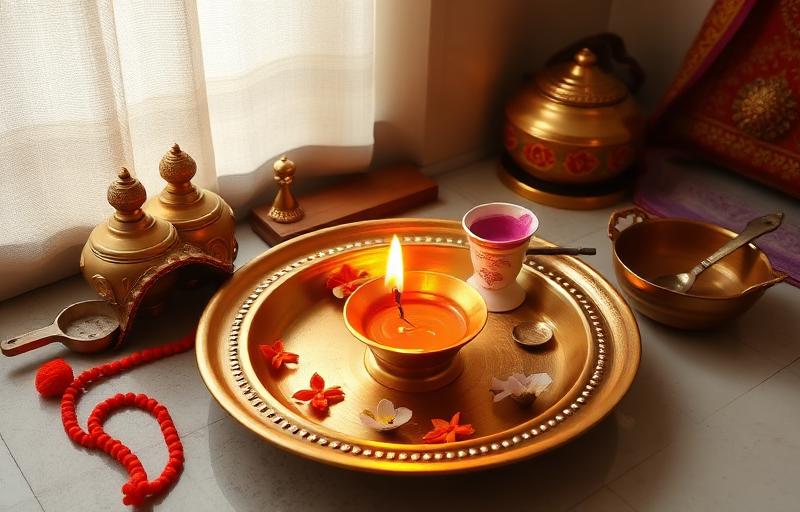
1. On waking, stay in bed for a moment; do not rush or grab your phone. 2. Join and look at your palms and recite Karagre vasate Lakshmi. 3. Gently touch your eyes with your palms, remembering the divine within. 4. Before stepping down, recite Samudravasane Devi and seek the earth's pardon. 5. Step out with the right foot first, then proceed to wash, bathe and pray. 6. Take a moment to remember your ishta devata, parents and guru, and set a positive intention for the day. The whole practice takes barely a minute but anchors the day in gratitude.
Significance and Benefits
Beginning the day with these mantras is believed to invite Lakshmi, Saraswati and Govinda - prosperity, wisdom and divine grace - into all the work of the day. Practically, looking at the palms is a gentle way to wake the eyes and mind, while remembering the earth and the divine cultivates humility and gratitude from the very first moment. A devotional start steadies the emotions, reduces anxious rushing and sets a calm, purposeful tone for everything that follows.
A Note on the Tradition
These verses belong to the nitya karma (daily duties) described in dharma texts, where each act of the morning - waking, looking at the palms, touching the earth, bathing and praying - is sanctified by a short mantra. The deeper teaching is darshan: that what we choose to see first each day trains the mind. By starting with the divine in our own hands and reverence for the earth beneath us, the tradition turns even waking up into an act of devotion.
Quick Answers
What is the morning wake-up mantra?+
The main wake-up mantra is 'Karagre vasate Lakshmi, karamadhye Saraswati, karamoole tu Govindah, prabhate karadarshanam', recited while looking at your palms on waking.
What does Karagre Vasate Lakshmi mean?+
It means Lakshmi dwells at the fingertips, Saraswati in the middle of the hands and Govinda at their base, so one should look at the hands in the morning, seeing the divine within them.
Which mantra is said before stepping on the floor?+
Before placing the feet on the ground, recite 'Samudravasane Devi, parvatastana mandite, Vishnupatni namastubhyam, paada sparsham kshamasvame', seeking pardon from Mother Earth.
Why look at your palms first thing in the morning?+
The hands represent Lakshmi, Saraswati and Govinda - the power to earn, learn and act with grace. Looking at them first reminds us the divine and our capacity to work live within us.
What is the best time to recite these mantras?+
Right on waking, ideally in the brahma muhurta before dawn. Recite them in bed before checking the phone, then proceed to wash, bathe and pray.
Can anyone follow this morning practice?+
Yes. Anyone of any age can follow it. It needs no special items, takes barely a minute, and gently builds gratitude, humility and a calm, devotional start to the day.
About the author
Acharya Vinaya Kapoor · M.A. Sanskrit, Mantra & Stotra Studies
Acharya Vinaya holds an M.A. in Sanskrit from Banaras Hindu University and writes the mantra and stotra commentary on Vandnaa. Her focus is on accurate pronunciation, traditional context, and helping modern readers connect with classical texts.
Meet the Vandnaa editorial team →Explore on Vandnaa
Related Articles
Snan Mantra While Bathing - Lyrics & Significance
8 min read
Bhojan Mantra Before Eating - Lyrics & Significance
8 min read
Diya Jalane Ka Mantra (Deep Prajwalan) & Vidhi
8 min read
Temple Entry Prayer & Mantra - Vidhi
9 min read
Gayatri Mantra Meaning, Benefits & How to Chant (गायत्री मंत्र)
12 min read
Lakshmi Aarti Lyrics – Om Jai Lakshmi Mata (लक्ष्मी आरती)
8 min read