Surkanda Devi: Siddha Peeth of Garhwal
Perched atop a ridge above the hill town of Dhanaulti in Tehri Garhwal district, at an elevation that offers sweeping views of the surrounding Himalayan ranges, stands the Surkanda Devi Temple. Regarded by devotees as one of the important Siddha Peeths (seats of spiritual power) of the Devi in the Garhwal Himalayas, the temple draws pilgrims and trekkers alike.
Some come for darshan, others simply moved by the serenity of the climb and the panorama at the summit. The forest path leading up to the shrine is itself part of what makes the visit memorable.
The Legend of Sati and Surkanda
Local tradition connects Surkanda Devi with the timeless legend of Devi Sati, who, unable to bear the insult shown to her husband Lord Shiva at her father Daksha's yagna, gave up her life in the sacrificial fire.
As a grief-stricken Shiva carried her body across the cosmos, it is believed that a part of her form came to rest at this spot on the ridge, sanctifying it forever as a seat of the Divine Mother. This is why the temple, though quiet and remote, is held in such deep reverence by pilgrims of the region.
Significance and the Forest Trek
Devotees visit Surkanda Devi to pray for strength, protection and the fulfilment of their wishes, and many undertake the trek itself as an offering of devotion, the physical effort of the climb through deodar and oak forest treated as a form of tapasya (austerity).
The temple can be reached via a forested path of a few kilometres that begins at Kaddukhal on the Mussoorie-Chamba road. The walk, though gently steep, rewards pilgrims with birdsong, mountain air and, at the summit, a view stretching across the Garhwal peaks that many describe as unforgettable.
Darshan Timings and How to Reach
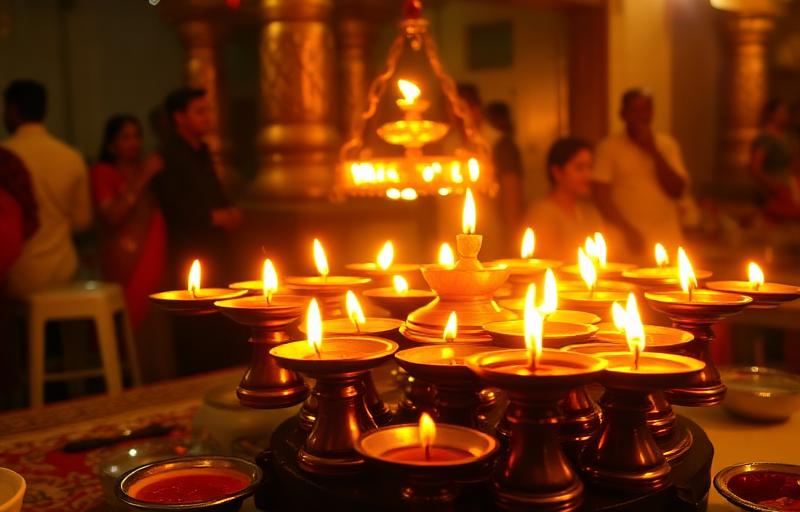
The temple welcomes devotees through the day, with Navratri drawing especially large numbers of pilgrims who make the climb together.
Surkanda Devi Temple is easily combined with a visit to Dhanaulti or Chamba, both popular hill destinations in Tehri Garhwal, and the trek begins from Kaddukhal, roughly midway on the Mussoorie-Chamba road. The nearest railway station is Rishikesh or Dehradun, and the nearest airport is Dehradun (Jolly Grant); from there, the route continues by road to Kaddukhal before the final walk up.
Mantra and a Devotee's Takeaway
Pilgrims climbing to Surkanda Devi often chant Om Shri Durgayai Namah, meaning salutations to Goddess Durga, or repeat the Devi Suktam verses under their breath as the path winds upward.
The journey to Surkanda Devi is as much a lesson as a pilgrimage, that reaching the Divine Mother asks a little effort of us, and that effort itself, offered with sincerity, becomes worship. Worship here is an act of faith and love, not a transaction.
Frequently Asked Questions
What is Surkanda Devi Temple famous for?+
It is a revered Siddha Peeth of the Devi in Garhwal reached by a forest trek from Kaddukhal, known for its legend connecting it to Devi Sati and its Himalayan views.
How difficult is the trek to Surkanda Devi?+
It is a gentle forested climb of a few kilometres from Kaddukhal on the Mussoorie-Chamba road, manageable for most devotees though it does require some walking.
When is the best time to visit Surkanda Devi Temple?+
Navratri is especially significant, though the temple can be visited through the year outside heavy winter snow or monsoon rain.
About the author
Pandit Ravindra Sharma · Vedic Rituals & Bhakti, 22+ years
Pandit Ravindra is the Vandnaa editorial team's resident specialist on aarti, chalisa, and daily devotion. He has performed home and temple pujas across Varanasi and Delhi for over two decades and contributes the bhakti-focused articles on this site.
Meet the Vandnaa editorial team →