Surya Dev Aarti - The Morning Song of Light
Surya Dev is unique among all deities because He is pratyaksha devata - the god we can see with our own eyes every single morning. The Vedas honour Him as the soul of the world (Surya Atma Jagatah), the giver of light, health, and time itself. From the Gayatri Mantra to the Aditya Hridaya Stotra that Lord Rama received before battle, Sun worship runs through the very heart of Sanatan Dharma.
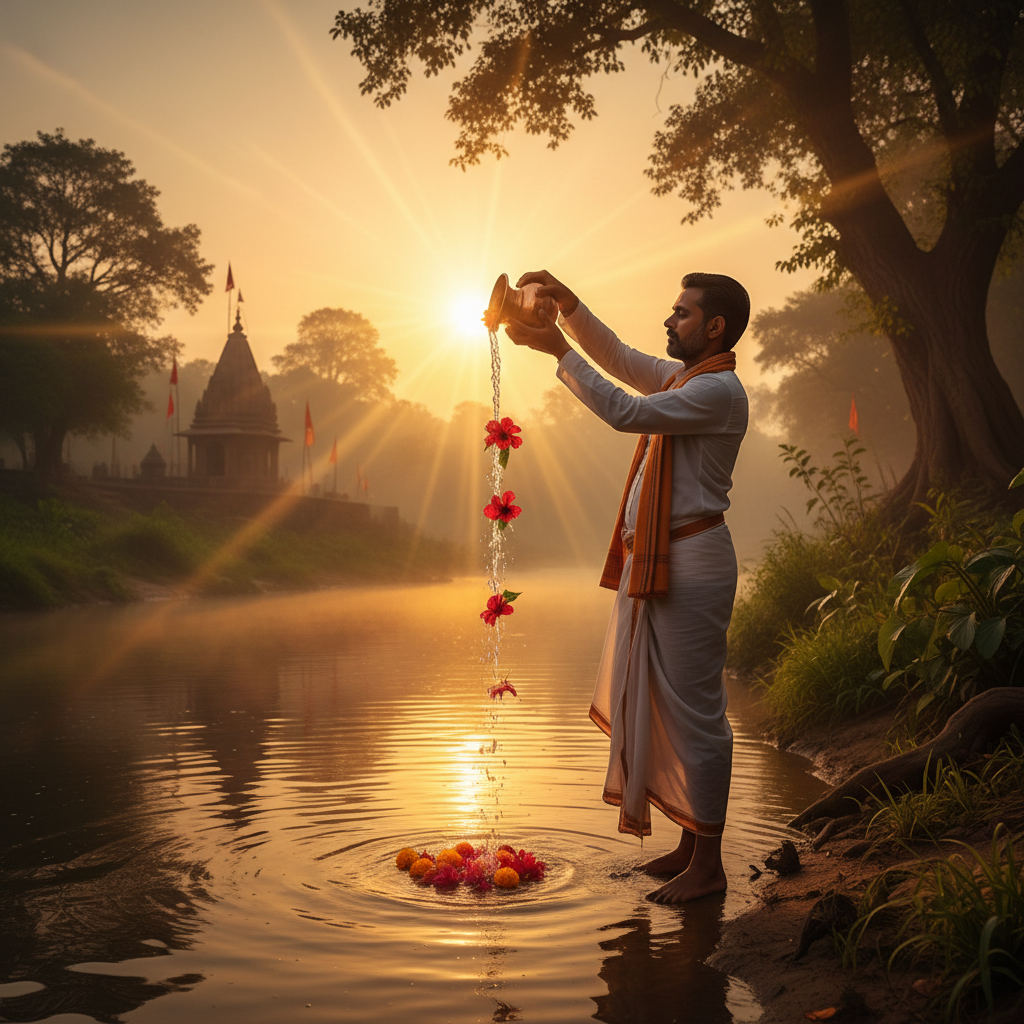
The Surya aarti, sung as "Om Jai Surya Bhagwan," gathers this ancient reverence into a simple morning song. It is traditionally sung after offering arghya (water) to the rising Sun, when the first rays touch the earth. Unlike most aartis that belong to the evening lamp, the Surya aarti belongs to dawn - it greets the day with gratitude, asks for strength and clarity, and reminds the devotee that every sunrise is a fresh gift of life.
Complete Surya Aarti Lyrics - Om Jai Surya Bhagwan
ॐ जय सूर्य भगवान, जय हो दिनकर भगवान। जगत के नेत्र स्वरूपा, तुम हो त्रिगुण स्वरूपा। धरत सब ही तव ध्यान, ॐ जय सूर्य भगवान॥
सारथी अरुण हैं प्रभु तुम, श्वेत कमलधारी। तुम चार भुजाधारी। अश्व हैं सात तुम्हारे, कोटि किरण पसारे। तुम हो देव महान, ॐ जय सूर्य भगवान॥
ऊषाकाल में जब तुम, उदयाचल आते। सब तब दर्शन पाते। फैलाते उजियारा, जागता तब जग सारा। करे सब तब गुणगान, ॐ जय सूर्य भगवान॥
संध्या में भुवनेश्वर, अस्ताचल जाते। गोधन तब घर आते। गोधूलि बेला में, हर घर हर आंगन में। हो तव महिमा गान, ॐ जय सूर्य भगवान॥
देव-दनुज नर-नारी, ऋषि-मुनिवर भजते। आदित्य हृदय जपते। स्तोत्र ये मंगलकारी, इसकी है रचना न्यारी। दे नव जीवनदान, ॐ जय सूर्य भगवान॥
तुम हो त्रिकाल रचयिता, तुम जग के आधार। महिमा तव अपरम्पार। प्राणों का सिंचन करके, भक्तों को अपने देते। बल, बुद्धि और ज्ञान, ॐ जय सूर्य भगवान॥
भूचर जलचर खेचर, सबके हो प्राण तुम्हीं। सब जीवों के प्राण तुम्हीं। वेद-पुराण बखाने, धर्म सभी तुम्हें माने। तुम ही सर्वशक्तिमान, ॐ जय सूर्य भगवान॥
पूजन करतीं दिशाएं, पूजे दश दिक्पाल। तुम भुवनों के प्रतिपाल। ऋतुएं तुम्हारी दासी, तुम शाश्वत अविनाशी। शुभकारी अंशुमान, ॐ जय सूर्य भगवान॥
Roman Transliteration: Om Jai Surya Bhagwan, Jai Ho Dinkar Bhagwan | Jagat Ke Netra Swaroopa, Tum Ho Trigun Swaroopa | Dharat Sab Hi Tav Dhyan || Sarthi Arun Hain Prabhu Tum, Shwet Kamaldhari | Tum Chaar Bhujadhari | Ashva Hain Saat Tumhare, Koti Kiran Pasare | Tum Ho Dev Mahan || Ushakal Mein Jab Tum, Udayachal Aate | Sab Tab Darshan Paate | Failate Ujiyara, Jaagta Tab Jag Sara | Kare Sab Tab Gungaan || Sandhya Mein Bhuvneshwar, Astachal Jaate | Godhan Tab Ghar Aate | Godhuli Bela Mein, Har Ghar Har Aangan Mein | Ho Tav Mahima Gaan || Dev-Danuj Nar-Nari, Rishi-Munivar Bhajte | Aditya Hriday Japte | Stotra Ye Mangalkari, Iski Hai Rachna Nyari | De Nav Jeevandaan || Tum Ho Trikal Rachayita, Tum Jag Ke Aadhar | Mahima Tav Aprampaar | Pranon Ka Sinchan Karke, Bhakton Ko Apne Dete | Bal, Buddhi Aur Gyan || Bhuchar Jalchar Khechar, Sabke Ho Praan Tumhi | Sab Jeevon Ke Praan Tumhi | Ved-Puran Bakhane, Dharm Sabhi Tumhe Maane | Tum Hi Sarvashaktimaan || Poojan Karti Dishayen, Pooje Dash Dikpal | Tum Bhuvanon Ke Pratipal | Rituyen Tumhari Daasi, Tum Shashwat Avinashi | Shubhkari Anshuman ||
Surya Aarti Meaning - Verse by Verse
Verse 1 (Jagat ke netra swaroopa): Glory to Surya Bhagwan, the maker of the day (Dinkar). He is the eye of the universe - through His light all beings see - and He embodies the three gunas. All creation meditates on Him.
Verse 2 (Sarthi Arun hain): His charioteer is Arun, the spirit of dawn. He holds white lotuses in His four arms, and His chariot is drawn by seven horses, said to represent the seven days and the seven colours of light, spreading crores of rays.
Verse 3 (Ushakal mein): At dawn He rises over the eastern mountain and the whole world wakes, receives His darshan, and sings His praise.
Verse 4 (Sandhya mein): At dusk He sets in the west; cattle return home in the sacred godhuli hour, and His glory is sung in every courtyard.
Verse 5 (Aditya Hriday japte): Gods, sages, and humans alike worship Him through the Aditya Hridaya Stotra, the hymn that gives new life and courage.
Verses 6-8: He is the architect of time, the giver of strength, intellect, and wisdom (bal, buddhi, gyan), the life-breath of every creature on land, water, and sky. The directions, their guardians, and the seasons all serve Him - the eternal, imperishable, benevolent Sun.
Jai Kashyap Nandan - The Shorter Surya Aarti
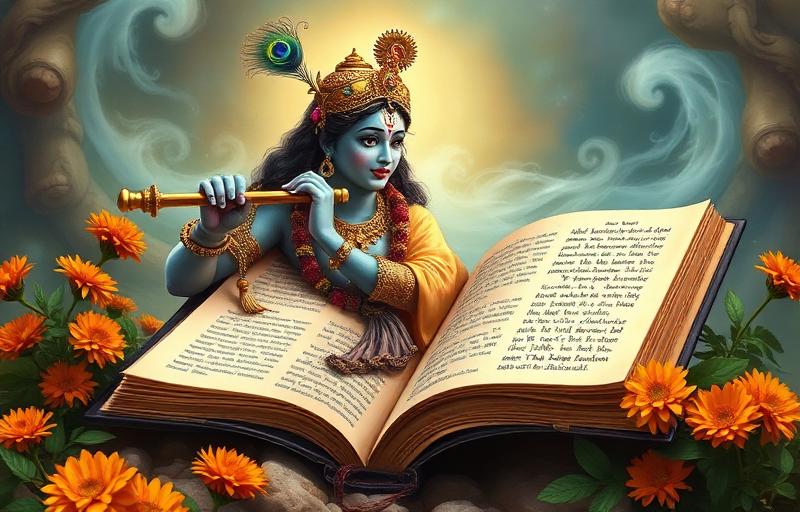
Many families and temples also sing an older, shorter aarti that begins "Jai Kashyap Nandan, Om Jai Aditi Nandan" - victory to the son of sage Kashyap and Mata Aditi. Its opening verses are:
जय कश्यप-नन्दन, ॐ जय अदिति नन्दन। त्रिभुवन-तिमिर-निकन्दन, भक्त-हृदय-चन्दन॥
सप्त-अश्वरथ राजित, एक चक्रधारी। दुःखहारी, सुखकारी, मानस-मल-हारी॥
सूर्यदेव करुणाकर, अब करुणा कीजै। हर अज्ञान-मोह सब, तत्त्वज्ञान दीजै॥
It praises Surya as the destroyer of darkness in all three worlds and the sandalwood-like coolness on a devotee's heart, and ends with a beautiful prayer: remove our ignorance and attachment, and grant us true knowledge. Either aarti may be sung - the bhava of gratitude matters more than the version.
Morning Arghya and Aarti Vidhi - Step by Step
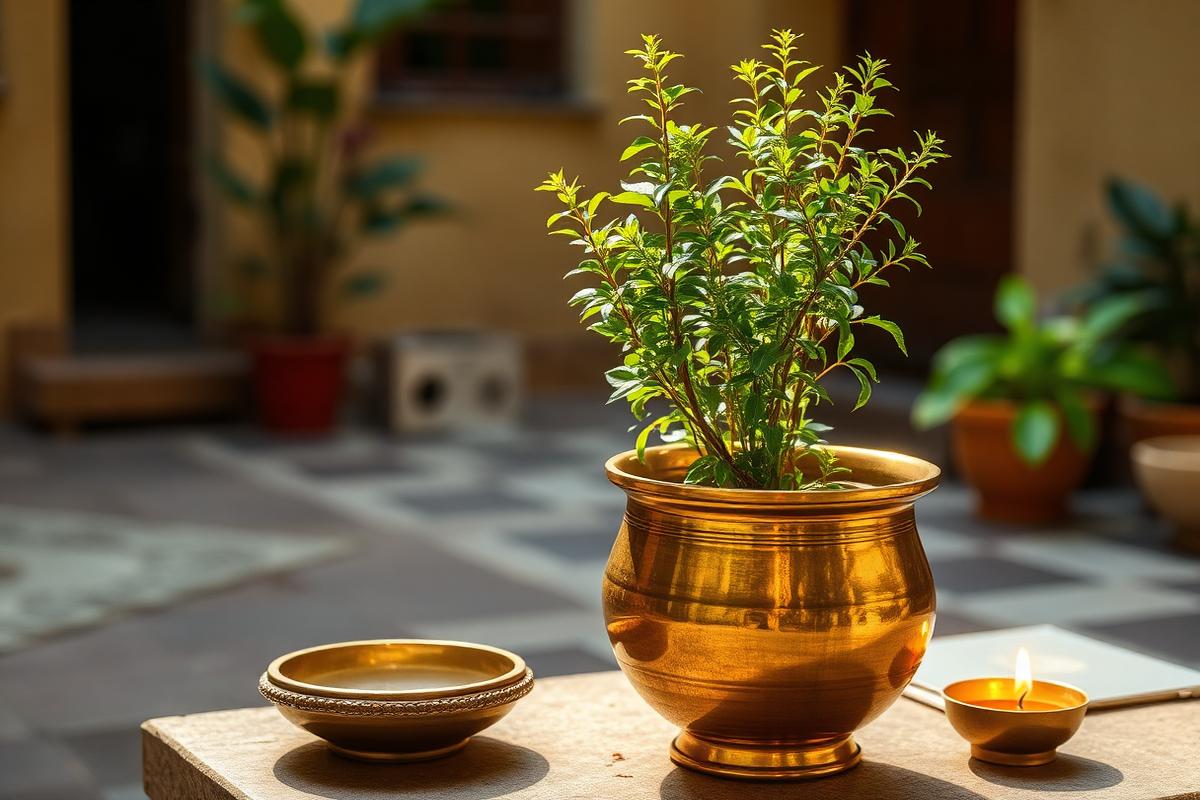
1. Wake before or at sunrise, bathe, and wear clean clothes. Fill a copper lota with water; add a pinch of roli, red flowers, and a few grains of rice or sesame if available.
2. Face east, towards the rising Sun. Standing, raise the lota to chest or forehead height and pour the water slowly in a thin stream while looking at the Sun through the falling water or with eyes gently lowered. Chant "Om Suryaya Namah" or the Gayatri Mantra as you pour. This is the arghya.
3. Light a ghee diya on a thali with roli, rice, and flowers. Perform the aarti facing east, moving the thali in slow clockwise circles - traditionally four at the feet, two at the navel, one at the face, and seven around the whole form, or simply seven full circles with devotion.
4. Sing the Surya aarti, then offer pranam with folded hands and, if possible, do a few Surya Namaskar rounds as physical worship.
When to Sing - Sundays, Ratha Saptami and Chhath
The Surya aarti can be sung every morning after arghya, but certain days carry special weight. Sunday (Ravivar) is Surya Dev's own day - devotees who keep the Ravivar vrat offer arghya, sing the aarti, eat one satvik meal, and avoid salt or oil as their family tradition guides.
Ratha Saptami, the seventh day of the bright fortnight of Magha, is celebrated as Surya Jayanti - the day the Sun's chariot is said to turn northward in full glory. Arghya and aarti on this morning are considered especially fruitful.
During Chhath Puja, observed mainly in Bihar, Jharkhand, and eastern Uttar Pradesh, devotees offer arghya to both the setting and rising Sun while standing in water - one of the most moving expressions of Surya bhakti in India. The aarti naturally joins these offerings. Singing it at sunrise on any day, though, needs no occasion at all.
Benefits of Surya Aarti and Daily Sun Worship

Tradition holds that regular Surya upasana grants arogya (health), tej (radiance), and atma-bal (inner strength). The shastras say "Arogyam Bhaskarad Ichhet" - seek health from the Sun. Devotees believe sincere Surya worship strengthens eyesight, vitality, confidence, and leadership, and supports success in studies and career, which is why students traditionally offer arghya before examinations.
The practical blessings are just as real. Rising before the sun, standing in morning light, pouring water with full attention, and singing aloud - this sequence quietly builds discipline, regulates the body clock, and starts the day with gratitude rather than a phone screen. The aarti's verses, repeated daily, become an anchor of positivity.
Above all, Surya aarti nurtures the bhava of the Gayatri Mantra itself: may that divine light illuminate my intellect. The Sun gives to all without discrimination, every single day - and the devotee who greets Him each dawn slowly learns to live the same way.
What People Ask Most
What is the best time to do Surya aarti?+
The ideal time is at or just after sunrise, immediately after offering arghya to the rising Sun. Morning light within the first hour of sunrise is considered the most sattvik. If sunrise is missed, the aarti can still be sung before noon with full devotion.
Can I sing the Surya aarti without offering arghya?+
Yes. Arghya and aarti together form the complete morning worship, but bhakti is never conditional. If you cannot offer water - while travelling, in an apartment without an open east view, or due to health - simply face the morning sun or a Surya image and sing with a grateful heart.
Which direction should I face during Surya aarti?+
Face east, towards the rising Sun, for the morning arghya and aarti. The diya is moved in slow clockwise circles. In the evening, those who follow sandhya traditions face west towards the setting Sun, as done during Chhath Puja arghya.
Why is Sunday special for Surya Dev?+
Ravivar (Sunday) is named for Ravi, the Sun, and is traditionally dedicated to His worship. Devotees keep the Ravivar vrat, offer arghya, sing the aarti, and eat one satvik meal. It is considered the most fruitful day to begin a regular Surya upasana practice.
What is the difference between Om Jai Surya Bhagwan and Jai Kashyap Nandan?+
Both are Surya Dev aartis. Om Jai Surya Bhagwan is the longer, more widely sung version describing the Sun's daily journey and gifts. Jai Kashyap Nandan is an older, shorter aarti praising Surya as the son of Kashyap and Aditi and ending with a prayer for true knowledge. Either may be sung.
What are the benefits of offering arghya to the Sun daily?+
Tradition associates daily arghya with health, radiance, strong eyesight, confidence, and success in studies and work. Practically, it builds an early-rising discipline, gives a few quiet minutes in morning light, and starts the day with gratitude - benefits felt within weeks of steady practice.
About the author
Acharya Vinaya Kapoor · M.A. Sanskrit, Mantra & Stotra Studies
Acharya Vinaya holds an M.A. in Sanskrit from Banaras Hindu University and writes the mantra and stotra commentary on Vandnaa. Her focus is on accurate pronunciation, traditional context, and helping modern readers connect with classical texts.
Meet the Vandnaa editorial team →