What Is Tilak
The tilak is a sacred mark applied on the forehead, made from substances such as chandan (sandalwood), kumkum, vibhuti (sacred ash) or roli. It is worn after worship, during festivals, and to welcome and honour guests. Far more than decoration, the tilak is a visible sign of devotion, blessing and one's connection to the divine. It is applied at a very special point on the forehead - the seat of inner awareness.
The Ajna Chakra - The Spiritual Meaning
The tilak is applied at the centre of the forehead, between the eyebrows, which is the location of the Ajna Chakra, often called the 'third eye' or the seat of wisdom and intuition. This point is considered a major centre of concentration and spiritual energy in the body. Applying tilak here is believed to activate inner awareness, retain spiritual energy and keep the mind calm and focused. It is a reminder to look inward and to act with wisdom rather than impulse.
Types of Tilak - Chandan, Kumkum and Tripund
Different traditions wear different marks:
- Chandan (sandalwood): a cooling sandalwood paste worn to calm the mind, common in many forms of worship.
- Kumkum / Roli: a red mark, often worn by women and applied during puja, symbolising auspiciousness and Shakti.
- Tripund: three horizontal lines of sacred ash (vibhuti) worn by devotees of Lord Shiva (Shaiva), representing the three aspects of the divine and the destruction of ego, impurity and ignorance.
Each mark reflects the deity and tradition the devotee follows.
Urdhva Pundra - The Vaishnava Tilak
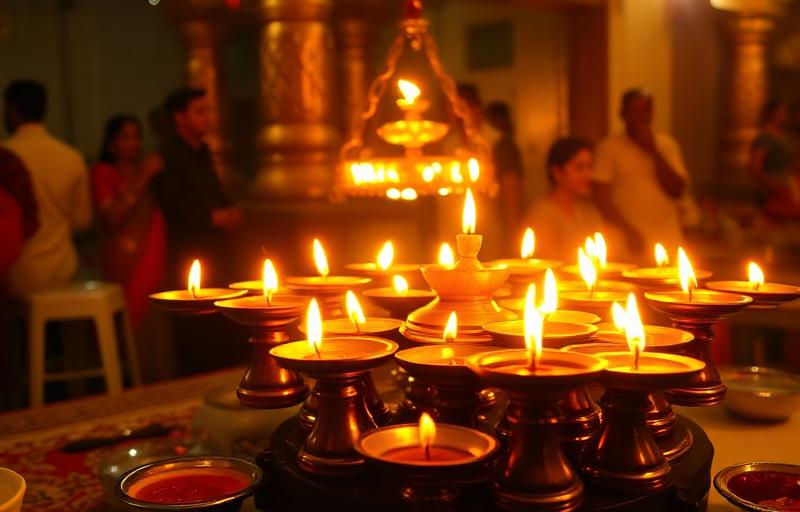
Devotees of Lord Vishnu and his forms (Vaishnava) wear the Urdhva Pundra, a U-shaped or V-shaped vertical mark on the forehead. The two upright lines represent the feet of Lord Vishnu, and the central line (often red) represents Goddess Lakshmi. Unlike the horizontal Tripund of the Shaivas, the Urdhva Pundra rises upward, symbolising the soul's upward journey toward liberation. The shape, colour and material vary across different Vaishnava sampradayas, but all express surrender to Lord Vishnu.
The Correct Way to Apply Tilak
Apply tilak with cleanliness and devotion: 1. Wash and dry the forehead, then apply with the ring finger or thumb, depending on tradition (the ring finger is often used for chandan). 2. Apply at the centre of the forehead between the brows, the ajna chakra point. 3. Use the correct mark for your tradition - chandan, kumkum, tripund or urdhva pundra. 4. While applying, silently chant the deity's name or a mantra. 5. Apply it after a bath or after puja, with a calm and respectful mind. When applying tilak to others as a welcome, do so gently with good wishes.
Common Mistakes to Avoid
Avoid applying tilak with unwashed hands or an unclean forehead, as cleanliness is essential. Do not apply it carelessly or in a smudged, untidy way, since it is a sacred mark, not a random smear. Avoid mixing up traditions without understanding - apply the mark that fits your worship. Do not wear tilak merely for show while ignoring its meaning, and avoid using spoiled or impure materials. Apply it with a calm, devotional mind rather than in haste.
Benefits of Applying Tilak
Applying tilak is believed to focus the mind and calm the nerves by gently activating the point between the brows. Cooling substances like chandan are said to relieve stress and aid concentration. Spiritually, the tilak marks the devotee as one who walks the path of dharma, invites blessings, and serves as a constant reminder to act with wisdom and devotion. Honouring guests with a tilak also spreads warmth, respect and good wishes, strengthening bonds within the community.
Reader Questions Answered
Where exactly is tilak applied and why?+
Tilak is applied at the centre of the forehead between the brows, the location of the Ajna Chakra or third eye. This point is linked to focus, intuition and spiritual energy.
What is the difference between Tripund and Urdhva Pundra?+
Tripund is three horizontal lines of sacred ash worn by Shaivas, devotees of Shiva. Urdhva Pundra is a vertical U or V shaped mark worn by Vaishnavas, devotees of Vishnu.
What are the main types of tilak?+
The main types are chandan (sandalwood), kumkum or roli, tripund of sacred ash for Shaivas, and urdhva pundra for Vaishnavas. Each reflects the deity and tradition followed.
Which finger should be used to apply tilak?+
It depends on tradition, but the ring finger is often used for chandan and the thumb for certain marks. Apply with clean hands at the point between the brows with devotion.
Is there any benefit of applying chandan tilak?+
Chandan is cooling and is believed to calm the mind, relieve stress and aid concentration when applied at the point between the brows, alongside its spiritual significance.
Why do we apply tilak to welcome guests?+
Applying tilak to guests is a mark of honour and good wishes. It treats the guest as worthy of respect, spreading warmth and blessings and strengthening community bonds.
About the author
Anjali Mehta · Editor, M.A. Religious Studies
Anjali is the managing editor for Vandnaa and oversees the festival and vrat coverage. She holds an M.A. in Religious Studies and reviews every published article for accuracy, accessibility, and tradition-fidelity.
Meet the Vandnaa editorial team →Explore on Vandnaa
Related Articles
Why We Break a Coconut in Puja - Significance
8 min read
Why We Light a Diya - Significance & Rules
9 min read
Why We Ring the Temple Bell - Significance & Benefits
9 min read
Dashavatar - 10 Avatars of Lord Vishnu: Names, Order, Meaning, Significance
11 min read
Vishnu Aarti Lyrics - Om Jai Jagdish Hare in Hindi & English
8 min read

Om Namah Shivaya Mantra Benefits & Meaning (ॐ नमः शिवाय)
9 min read