
A Siddha Who Is Worshipped as a Child
Baba Balak Nath is worshipped at Deotsidh, a cave shrine in Hamirpur district of Himachal Pradesh, and he is one of the most followed deities of the Punjab and Himachal plains and foothills.
He belongs to the siddha tradition rather than to the Puranic pantheon. Siddhas are accomplished ascetics whom devotees regard as having gone beyond ordinary human limits, and several of them across north India are worshipped exactly as deities are. Baba Balak Nath's distinguishing feature is in his name. Balak means child, and tradition holds that he remained in the form of a young boy, never aging and never dying, which is why his shrine is approached as a living presence rather than a memorial.
Devotees describe the relationship in very plain terms:
- He is called Baba ji and spoken to directly, without formal Sanskrit ritual
- His shrine has no elaborate murti tradition, since the cave itself is the focus
- Worship is loud, musical and communal rather than quiet
- The devotee who has taken his name is called a bhagat, and many families keep that identity across generations
His following is concentrated in Himachal, Punjab, Haryana and among families from those states settled abroad, and Deotsidh is often the first vow a Punjabi Hindu family makes for a child's health.
The Katha of Shahtalai and Mata Ratno
The katha that every devotee knows is set not at Deotsidh but at Shahtalai, a short distance away in Bilaspur district.
As a boy, Baba Balak Nath is said to have tended cattle for a woman named Mata Ratno. In return she gave him lassi and roti each day. The boy grazed the cattle for twelve years, and Ratno kept feeding him without keeping count.
When the time came to leave, the question arose of what he owed her, or what she owed him. In the telling, the boy asked her to bring the record of all the food she had given, and when she could not, he struck the ground and a spring appeared. The dairy he had consumed came back as butter drawn from a banyan tree, which is the image the katha ends on and which devotees repeat as the point of it: what is given in generosity, without counting, comes back multiplied.
Shahtalai keeps the memory of that episode, with the banyan and the water source at the centre of the site, and most devotees visit both places, taking Shahtalai first and then climbing to Deotsidh.
A second strand in his story connects him to Guru Gorakhnath, the founder figure of the Nath sampradaya. In this telling Gorakhnath wished to initiate him, and the boy declined, choosing to remain independent. That refusal is why he is counted with the Naths in tradition without being their disciple.
Rot: The Offering That Defines This Shrine
Deotsidh has one offering that no devotee arrives without, and it is unlike the sweets offered at most temples.
Rot is a thick, heavy roti made of wheat flour and gud or sugar, mixed with ghee and baked slowly until firm. It is not fried, not decorated and not delicate. Families prepare it at home before travelling, or buy it from the shops on the route, and the size is often substantial, a full disc that takes both hands to carry.
How the offering works:
- A family that has made a vow prepares a rot of the size promised, sometimes graded to the request
- It is offered at the shrine and a portion returned as prasad, which is shared with everyone travelling with them
- Many families also prepare rot at home on Sundays through the year without visiting, keeping the connection from a distance
- Along with the rot, devotees offer coconut, sweets, a red or saffron cloth and cash
The simplicity of the offering matters to devotees. A rot is field food, made of what a household already has, and offering it requires no purchase from a specialist. That fits a deity approached as a child of the hills rather than as a formal presence, and it is the detail people from these regions mention first when they describe going to Deotsidh.
The Cave, the Chimta and the Sound of the Shrine
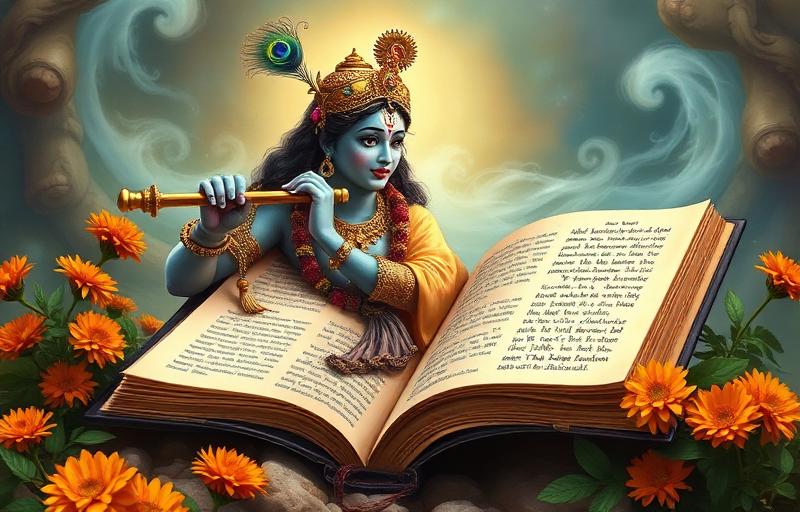
The shrine at Deotsidh is a natural cave on a hillside, approached by a climb of steps from the road below.
What happens at the site is closer to a continuous gathering than to a temple routine:
- Devotees climb chanting the Baba's name, and groups sing through the ascent
- The chimta, the iron tong used by Nath ascetics as a rhythm instrument, is the characteristic sound here, along with dhol and thali
- Bhagats who have kept his name for years lead the singing, and many wear saffron
- At the cave, offerings are made and devotees sit for a while rather than moving straight out
- A separate raised area is maintained for women devotees, since the custom at this shrine has been that women offer from the platform outside the cave rather than entering it. The arrangement is long standing and clearly marked, and worship from there is treated as complete.
Sunday is his day, and Sundays at Deotsidh draw the largest weekly crowds. The Chaitra mela in the spring is the annual peak, when the route from the base fills through day and night and families from Punjab arrive by the busload.
The overall character of the place is worth stating for those who have not been. It is not quiet. It is a shrine of drums, singing, shared food and constant movement, and devotees say that is exactly how a child deity should be approached.
What Families Come to Ask
The requests brought to Deotsidh follow a clear pattern, and most of them concern children.
- Santan prapti, the birth of a child, is the most common vow, and families who receive one return with a rot and often bring the child for a first darshan
- A child's health, particularly through the early years
- Mundan, performed here by families who vowed the first haircut
- Protection for those going abroad, a large category in Punjab, where families offer before a departure and again after a safe arrival
- Recovery from illness and relief in family disputes
The vow structure is straightforward. A family states the request, names what they will bring, and returns when it is fulfilled. Rot size, a bhandara, a cloth offering or a visit on a fixed number of Sundays are the usual promises.
For those who cannot travel, the customary practice at home is simple. A lamp on Sunday, the Baba's name taken with the household's other deities, and rot prepared and shared with children in the neighbourhood. Families in Punjab and Himachal have kept that form for generations, and it is treated as a complete practice rather than a substitute.
The Route: Shahtalai and Deotsidh Together
Most devotees treat this as a two stop journey rather than a single temple visit.
- Shahtalai, in Bilaspur district, is where the Mata Ratno katha is set. Devotees visit the banyan and the water source here first.
- Deotsidh, in Hamirpur district, is about a short drive further, and the cave is reached by a climb of steps from the parking area
- Both are within reach of Una, Bilaspur and Hamirpur, and the usual approach is by road from Chandigarh, Jalandhar or Ludhiana
- Best time is October to March for weather, and Chaitra for the mela if you want the shrine at its fullest
- Sundays are crowded through the year, so a weekday visit is easier for elderly travellers
Practical notes: carry the rot or buy it at the base, wear footwear you can remove easily for the climb, and keep cash for small offerings. Facilities along the route are basic but adequate, with langars run by devotee groups during the mela.
Many Punjabi families combine this with a wider Devi circuit through Chintpurni, Jwala ji, Naina Devi and Brajeshwari, since all lie within a few hours of each other in the same belt. Done that way, Deotsidh usually comes first or last, and the rot is prepared for the day the family reaches it.
Frequently Asked Questions
Who is Baba Balak Nath?+
Baba Balak Nath is a siddha worshipped at the Deotsidh cave shrine in Hamirpur district of Himachal Pradesh. Tradition holds that he remained in the form of a child, never aging, which is why the shrine is approached as a living presence.
What is rot and why is it offered at Deotsidh?+
Rot is a thick baked roti of wheat flour, gud or sugar and ghee, prepared at home or bought at the base of the shrine. It is the characteristic offering here, made to fulfil a vow, and a portion is returned as prasad to be shared.
What is the connection between Shahtalai and Deotsidh?+
Shahtalai in Bilaspur district is where the katha of Baba Balak Nath tending cattle for Mata Ratno is set, and Deotsidh in Hamirpur district is the cave where he is worshipped. Most devotees visit Shahtalai first and then climb to Deotsidh.
Which day is considered special for Baba Balak Nath?+
Sunday is his day, and Sundays draw the largest weekly crowds at Deotsidh. The Chaitra mela in spring is the biggest annual gathering, when families arrive continuously through day and night.
Can women offer worship at the Deotsidh cave?+
The long standing custom at this shrine is that women offer from a marked raised platform outside the cave rather than entering it. The arrangement is clearly indicated at the site and worship offered from there is treated as complete.
What do families usually pray for at this shrine?+
Most vows concern children, including santan prapti and a child's health, along with mundan, protection for family members going abroad, recovery from illness and relief in family disputes.
About the author
Anjali Mehta · Editor, M.A. Religious Studies
Anjali is the managing editor for Vandnaa and oversees the festival and vrat coverage. She holds an M.A. in Religious Studies and reviews every published article for accuracy, accessibility, and tradition-fidelity.
Meet the Vandnaa editorial team →Explore on Vandnaa
Related Articles
Chintpurni Temple - Chhinnamastika Shakti Peeth Significance & Darshan
9 min read
Naina Devi Temple - Sati's Eyes Shakti Peeth Significance & Darshan
8 min read
Baba Sodal Ji: The Child Deity of Jalandhar and the Anant Chaturdashi Mela
8 min read
Jwala Devi Temple - Significance, Eternal Flames and Darshan Guide
10 min read