The Fierce Form of Durga
Chamunda Devi is the *fierce (ugra) form of Maa Durga, worshipped at the famous Chamunda Nandikeshwar Dham* near Kangra in Himachal Pradesh, set on the banks of the Baner river against a backdrop of the Dhauladhar mountains. She is the warrior goddess who destroys evil and protects her devotees, and her shrine is one of the most powerful Devi sites of the Kangra valley, often visited alongside Jwala Ji and Brajeshwari Devi.
Katha - The Slaying of Chanda and Munda
The name Chamunda comes from the demons Chanda and Munda, the fierce generals of the asuras Shumbha and Nishumbha. According to the Durga Saptashati, when Maa Durga's anger took form as the dark goddess Kali / Chandika, she slew Chanda and Munda in a furious battle and presented their heads to the Devi. Pleased, the Devi declared that she would henceforth be famed as Chamunda, joining their names. This is why Chamunda is revered as the destroyer of evil and the embodiment of the Devi's protective fury.
What Makes Chamunda Devi Special
The Kangra Chamunda temple is regarded as a powerful Shakti shrine where the Devi is worshipped in her awe-inspiring form, and the deity is so revered that her main image is kept partly veiled. The complex includes shrines to Shiva (as Nandikeshwar), Hanuman and Bhairav, and a sacred cave-like Shiva spot below the temple. Set beside the flowing Baner river with the Dhauladhar peaks rising behind, the temple combines fierce devotion with breathtaking natural beauty.
Darshan, Timing and Yatra Tips
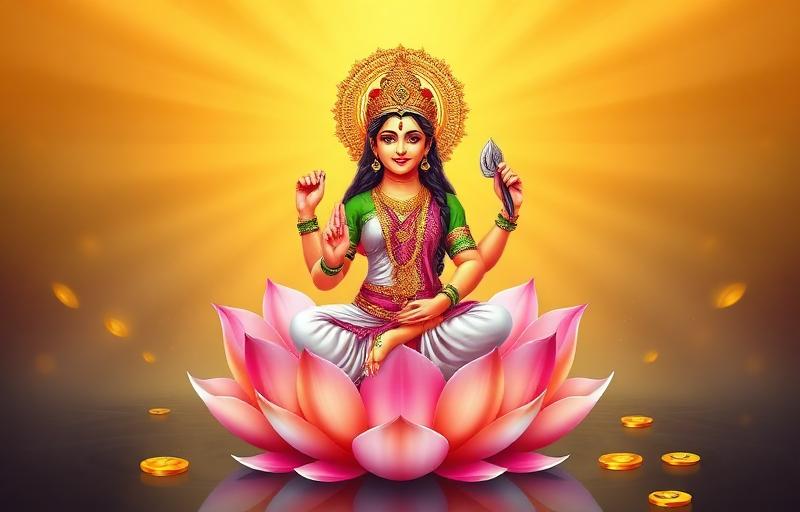
The temple usually opens early morning around 6 am to late evening, with morning and evening aartis and devotional bhajans. Chamunda Devi lies about 15 km west of Dharamshala and around 10 km from Kangra, well connected by road; the nearest airport is Gaggal (Kangra) and the nearest narrow-gauge railhead is Kangra. Tips: the temple is at road level so the walk is easy, carry a light shawl as the valley is cool, reach early on weekends, and combine the visit with Jwala Ji, Brajeshwari (Kangra) Devi and Dharamshala.
Mantra and How to Pray
The most loved chant of the goddess is:
Om Aim Hreem Kleem Chamundayai Vichche
This is the supreme Navarna mantra of the Durga Saptashati, recited with great power before Chamunda Devi, along with Om Chamundayai Namah. Bow before the veiled Devi with folded hands, pray for strength, protection and victory over inner and outer enemies. It is traditional to offer a red chunri, coconut, flowers and sweets, and to bow with deep reverence to her fierce, protective form.
Festivals and Navratri at Chamunda Devi
Chamunda Devi is busiest during Chaitra and Sharad Navratri, when the temple is grandly decorated and lakhs of devotees arrive for darshan, paath of the Durga Saptashati and havan. Saptami, Ashtami and Navami of Navratri draw the largest crowds. Plan a Navratri visit early, expect long queues, and join the collective recitation of the Saptashati, which is believed to be especially powerful in the presence of the fierce Devi.
Common Questions From Devotees
Why is the goddess called Chamunda?+
The name comes from the demons Chanda and Munda. After Maa Durga's form as Kali slew them, the Devi declared she would be famed as Chamunda, joining their names as the destroyer of evil.
Who were Chanda and Munda?+
Chanda and Munda were the fierce generals of the demons Shumbha and Nishumbha. According to the Durga Saptashati, the goddess Kali / Chandika slew them in battle and presented their heads to the Devi.
Where is Chamunda Devi Temple located?+
Chamunda Devi is near Kangra in Himachal Pradesh, on the banks of the Baner river with the Dhauladhar mountains behind. It is about 15 km from Dharamshala and 10 km from Kangra.
What is the main mantra of Chamunda Devi?+
The supreme chant is the Navarna mantra 'Om Aim Hreem Kleem Chamundayai Vichche' from the Durga Saptashati, recited along with 'Om Chamundayai Namah' before the Devi.
Why is the main image of Chamunda Devi kept veiled?+
Chamunda is worshipped in her fierce, awe-inspiring form, and out of deep reverence her main image is kept partly veiled. Devotees bow before her with humility and seek strength and protection.
When is the best time to visit Chamunda Devi?+
Chaitra and Sharad Navratri, especially Saptami, Ashtami and Navami, are the most spiritually charged but heavily crowded. For an easier darshan, visit on regular days, reaching early in the morning.
About the author
Pandit Ravindra Sharma · Vedic Rituals & Bhakti, 22+ years
Pandit Ravindra is the Vandnaa editorial team's resident specialist on aarti, chalisa, and daily devotion. He has performed home and temple pujas across Varanasi and Delhi for over two decades and contributes the bhakti-focused articles on this site.
Meet the Vandnaa editorial team →Explore on Vandnaa
Related Articles
Jwala Ji Temple - Eternal Flame Shakti Peeth Significance & Darshan
9 min read
Chintpurni Temple - Chhinnamastika Shakti Peeth Significance & Darshan
9 min read
Naina Devi Temple - Sati's Eyes Shakti Peeth Significance & Darshan
8 min read
Mahishasura Mardini Stotram - Durga's Battle Hymn: Lyrics, Meaning, Power
9 min read
Durga Saptashati – Meaning, Benefits & Reading Guide
9 min read

Maa Kali: Mantras, Significance, Puja Vidhi & The Fierce Mother
9 min read