Godavari, the Dakshin Ganga
Godavari is revered across peninsular India as the Dakshin Ganga, the Ganga of the South, a title that reflects the deep devotion devotees hold for her as she winds across Maharashtra, Telangana, Andhra Pradesh and beyond before meeting the Bay of Bengal. She is also known as Gautami Ganga, a name tied to a cherished legend of sage Gautama.
For millions of devotees across the Deccan, Godavari holds the same place in daily worship and pilgrimage that the Ganga holds in the north, and her banks are lined with temples, ghats and centuries of devotional memory.
The Legend of Sage Gautama and Godavari's Origin
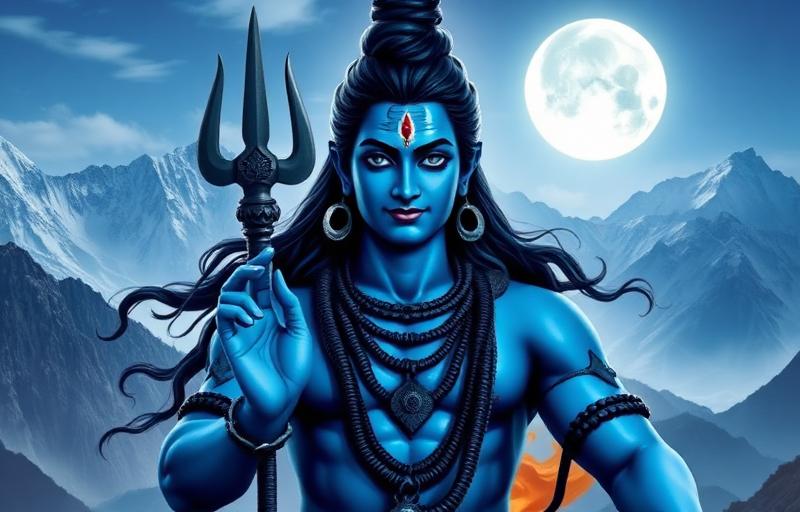
According to tradition, sage Gautama once lived in a hermitage near present-day Trimbakeshwar with his devoted wife Ahalya. When a famine struck the land, Gautama is said to have prayed fervently to Lord Shiva to bring water and end the suffering of the people. Pleased by his devotion, Shiva released the Ganga from his matted locks in this southern land, and the river that flowed forth came to be called Godavari, in reverence to Gautama's tapasya.
Because of this legend, the river is also affectionately called Gautami, and the town of Trimbakeshwar, home to one of the twelve Jyotirlingas, is regarded as her most sacred source.
Why Godavari is Called the Dakshin Ganga
Devotees hold that just as the Ganga purifies and sustains life in the north, Godavari performs the same sacred role for the peoples of the Deccan plateau, nourishing the land through her long course and blessing every town and temple along her banks. Her waters flow past some of South India's most revered pilgrimage centres, including Nashik and Rajahmundry, tying together centuries of devotional life across several states.
Many devotees consider a pilgrimage along the Godavari to be equal in merit to a journey along the Ganga itself, a belief that has made her one of the most visited sacred rivers of the Indian peninsula.
Godavari Pushkaram: The Great Twelve-Year Festival

Once every twelve years, when the planet Jupiter is believed to enter a particular position in its cycle, devotees celebrate the grand Godavari Pushkaram, a festival that draws enormous crowds of pilgrims to her banks across several days. This is regarded as one of the most auspicious times to bathe in her waters, and temporary townships of tents, kitchens and ghats spring up to host the arriving devotees.
- Pilgrims travel from across South India and beyond to take a holy dip during the Pushkaram period
- Temples along the river conduct special pujas and processions during this time
- Local communities organise free meals and shelter for visiting pilgrims as an act of seva
- Similar Pushkaram celebrations are held for other sacred rivers, but the Godavari's is among the most widely attended
Sacred Places Along the Godavari
The river's traditional source lies at Trimbakeshwar near Nashik, where one of the twelve Jyotirlingas of Lord Shiva stands, drawing pilgrims who wish to combine Shiva worship with reverence for the river goddess. Further downstream, the city of Nashik itself is closely tied to episodes of the Ramayana and hosts a Kumbh Mela of its own.
As the river continues eastward, it passes through the fertile delta region near Rajahmundry in Andhra Pradesh before finally merging with the Bay of Bengal, completing a journey that devotees see as a long unbroken thread of blessing across the Deccan.
Mantra to Chant and a Devotee's Takeaway
Devotees often chant 'Om Godavaryai Namah', meaning 'salutations to Mother Godavari', while offering prayers at her ghats or invoking her name during daily worship.
The story of Godavari, born from Shiva's grace in answer to a sage's devotion, reminds devotees that sincere faith can bring life-giving abundance even to the most parched of lands. Whether one visits her banks during the great Pushkaram or simply remembers her with a quiet prayer, worship of Godavari is an act of faith and love, not a transaction.
Common Questions From Devotees
Why is Godavari called Gautami Ganga?+
According to tradition, the river is named after sage Gautama, whose devotion to Lord Shiva at Trimbakeshwar is said to have brought forth the Godavari to end a great famine, giving her the affectionate name Gautami Ganga.
What is Godavari Pushkaram?+
Godavari Pushkaram is a major festival celebrated once every twelve years, when devotees consider it especially auspicious to bathe in the river, drawing large numbers of pilgrims to her banks over several days.
Where does the Godavari river originate?+
The Godavari is traditionally believed to originate near Trimbakeshwar in Maharashtra, home to one of the twelve Jyotirlingas, before flowing across the Deccan to the Bay of Bengal.
About the author
Anjali Mehta · Editor, M.A. Religious Studies
Anjali is the managing editor for Vandnaa and oversees the festival and vrat coverage. She holds an M.A. in Religious Studies and reviews every published article for accuracy, accessibility, and tradition-fidelity.
Meet the Vandnaa editorial team →