Who is Narmada Mata?
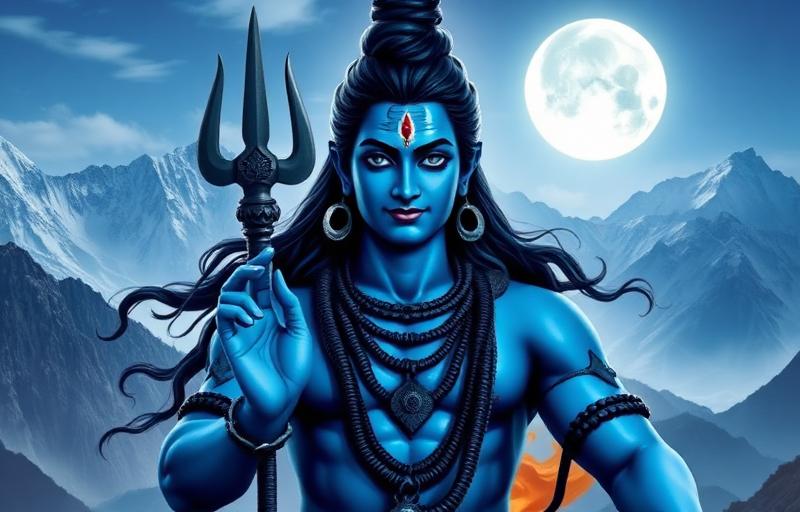
Narmada Mata, also called Rewa, is worshipped as one of the seven most sacred rivers of India and is regarded by many devotees as older and even holier than the Ganga herself. According to tradition, she originates from Amarkantak in present-day Madhya Pradesh, a place associated with the austerities of Lord Shiva, which is why devotees consider Narmada to be born of Shiva's own tapasya.
Unlike most rivers that flow eastward toward the Bay of Bengal, Narmada flows westward across central India before meeting the Arabian Sea near Bharuch in Gujarat, a distinctive path that devotees see as a reflection of her independent, unbound nature.
The Legend of Narmada's Origin
According to puranic tradition, Narmada emerged from Lord Shiva as he sat in deep meditation at Amarkantak, her waters said to carry the very essence of his penance. Some traditions describe her as a daughter born to bring purity and blessing to the world, so radiant that even the gods are said to have sought her presence.
A popular belief among devotees holds that every stone in the Narmada's riverbed is a Narmadeshwar Shivling, a natural symbol of Lord Shiva, formed by the ceaseless flow of her waters over countless ages. Because of this, devotees consider it unnecessary to consecrate these stones through ritual, as they are believed to already carry the presence of the divine.
Why Narmada is Called Holier Than the Ganga
Devotees often repeat a traditional saying that while the Ganga must be touched to purify, and the Yamuna must be spoken of, the mere sight, or darshan, of the Narmada is enough to cleanse the heart. This belief reflects the deep reverence devotees hold for the river as a living embodiment of grace rather than a resource to be used.
Adding to her sanctity is the belief that the Ganga herself, weighed down by the sins washed into her over the ages, is said to visit the Narmada once a year in the form of a black cow to be purified. Whether taken literally or as a devotional metaphor, the story reflects just how highly devotees regard the purity of Narmada's waters.
The Narmada Parikrama: A Lifelong Pilgrimage
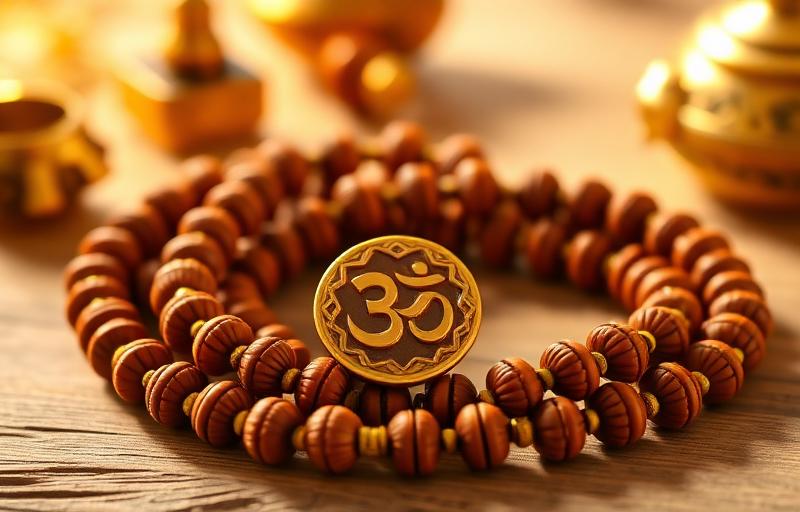
Among the most remarkable traditions associated with any river in India is the Narmada Parikrama, a circumambulation of the entire river from its source to the sea and back along the opposite bank. Pilgrims who undertake this journey traditionally travel on foot, carrying minimal belongings and relying on the hospitality of villages along the route.
- The full parikrama traditionally takes many months to a few years to complete, depending on the pace and pauses of the pilgrim
- Pilgrims are expected never to cross the river directly during the journey, only completing the circuit by walking along both banks and crossing at her mouth near the sea
- Villagers along the route are known for their generosity, often feeding and sheltering parikrama pilgrims as a matter of faith
- Many devotees undertake the parikrama at least once in their lifetime, considering it one of the most meritorious pilgrimages in Hindu tradition
Sacred Places Along the Narmada
The river's source at Amarkantak is itself a major pilgrimage site, with temples and ashrams surrounding the small kund from which she is said to emerge. Further along her course lies Omkareshwar, an island shrine home to one of the twelve Jyotirlingas, and Maheshwar, known for its ghats and its association with the historic queen Ahilyabai Holkar.
The river finally meets the Arabian Sea near Bharuch in Gujarat, a point devotees regard as the culmination of her sacred journey across the heart of India.
Mantra to Chant and a Devotee's Takeaway
Devotees commonly chant 'Om Narmadayai Namah', meaning 'salutations to Mother Narmada', when bathing in her waters or offering prayers from a distance.
The story of Narmada, born of Shiva's own penance and so pure that her very stones are sacred, teaches devotees that holiness can flow gently and quietly through ordinary things when approached with faith. Whether one walks her entire parikrama or simply remembers her with devotion, worship of Narmada Mata is an act of faith and love, not a transaction.
Common Questions From Devotees
What is the Narmada Parikrama?+
The Narmada Parikrama is a traditional circumambulation of the Narmada river from its source to the sea and back along the opposite bank, undertaken on foot as a lifelong act of devotion, often taking many months to complete.
Why are Narmada's stones considered sacred?+
Devotees believe that the stones found in the Narmada riverbed, known as Narmadeshwar stones, are naturally formed symbols of Lord Shiva and are considered sacred without needing separate ritual consecration.
Where does the Narmada river originate and end?+
The Narmada is believed to originate at Amarkantak in Madhya Pradesh and flows westward to meet the Arabian Sea near Bharuch in Gujarat.
About the author
Anjali Mehta · Editor, M.A. Religious Studies
Anjali is the managing editor for Vandnaa and oversees the festival and vrat coverage. She holds an M.A. in Religious Studies and reviews every published article for accuracy, accessibility, and tradition-fidelity.
Meet the Vandnaa editorial team →