The Sacred Kshipra of Ujjain
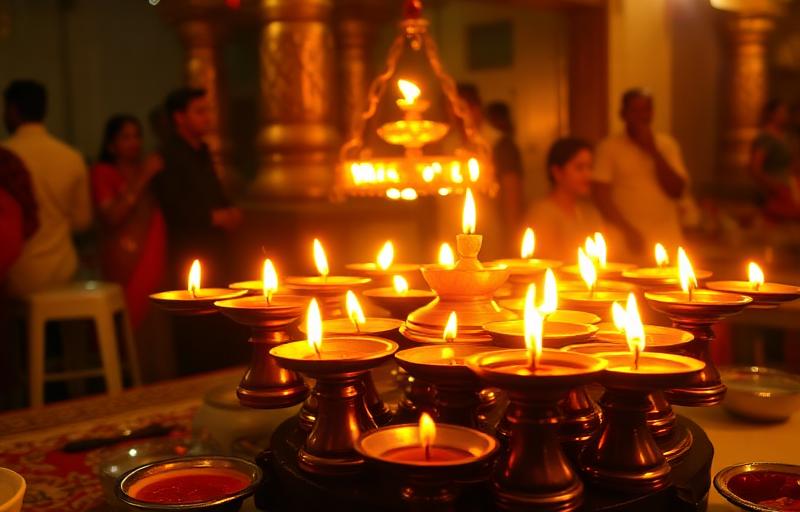
The Kshipra river holds a place of deep sacred importance in central India, flowing gently through the ancient temple city of Ujjain in Madhya Pradesh. Devotees regard her as a goddess in her own right, whose waters have witnessed centuries of prayer, pilgrimage and devotion at the ghats that line her banks in this holy city.
Ujjain itself, home to the Mahakaleshwar Jyotirlinga, owes much of its sacred atmosphere to the presence of the Kshipra, and the river and the temple together form the spiritual heart of the city.
The Legend Linking Kshipra to Amrit
According to a cherished tradition connected to the great Samudra Manthan, the churning of the cosmic ocean by gods and demons in search of the nectar of immortality, a few drops of the sacred amrit are believed to have fallen upon the earth at four places during the long struggle that followed, one of which is said to be Ujjain on the banks of the Kshipra.
This belief is central to why Ujjain hosts the grand Simhastha Kumbh Mela, one of the four great Kumbh gatherings of India, held once every twelve years when devotees believe the river's waters carry a special trace of that ancient blessing.
Why the Kshipra is Considered Moksha-Giving
Devotees hold Ujjain, and by extension the Kshipra that flows through it, as one of the seven cities in India believed to grant liberation, or moksha, to those who die or are cremated there. This belief has drawn pilgrims, sages and seekers to her banks for many generations, each hoping to receive her purifying grace.
The daily rhythm of life in Ujjain remains closely tied to the river, with devotees beginning their day with a visit to her ghats before proceeding to seek darshan of Mahakaleshwar.
Worship and Ghats Along the Kshipra
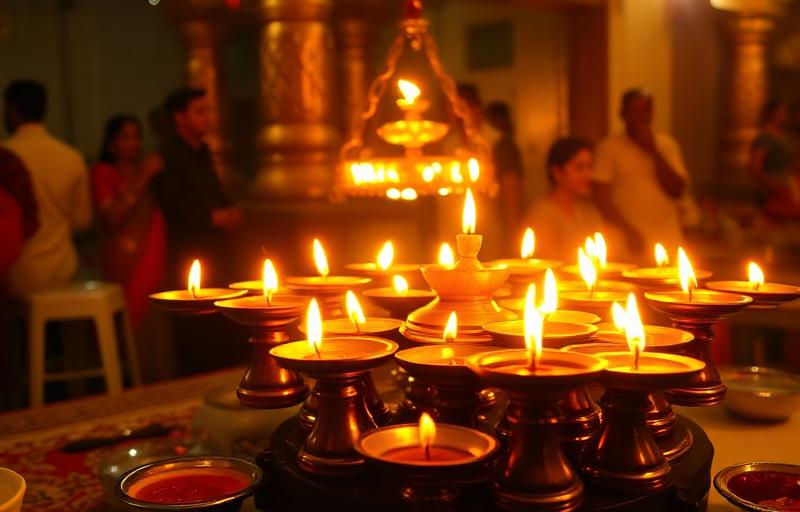
- Ram Ghat is the most prominent bathing ghat in Ujjain, where devotees gather each evening for a graceful river aarti performed with lamps and chanting
- Pilgrims traditionally take a holy dip in the Kshipra before visiting the Mahakaleshwar temple, treating the river as the first step of their darshan
- During the Simhastha Kumbh Mela, millions of devotees converge on her ghats for a ritual bath believed to wash away lifetimes of sin
- Many devotees also perform rituals for departed ancestors along her banks, believing the river's grace extends blessing across generations
The Simhastha Kumbh Mela
Held once every twelve years, the Simhastha Kumbh Mela transforms Ujjain into one of the largest gatherings of devotees anywhere in the world, with sadhus, pilgrims and seekers arriving from every corner of India. Akharas, or monastic orders, process to the ghats in a grand and colourful display of faith, and the ritual bath taken during this period is considered especially meritorious.
Even outside the Kumbh years, the Kshipra continues to draw steady streams of devotees, particularly during festivals tied to Mahakaleshwar and other temples of the city.
Mantra to Chant and a Devotee's Takeaway
Devotees often chant 'Om Kshipranadyai Namah', meaning 'salutations to Mother Kshipra', while taking a dip at Ram Ghat or offering prayers before visiting Mahakaleshwar.
The story of the Kshipra, touched by a drop of the nectar of immortality in ancient time, reminds devotees that grace can settle quietly into the most ordinary flowing waters and remain there for the faithful to receive. Whether one visits during the great Simhastha or on any ordinary evening, worship at the Kshipra is an act of faith and love, not a transaction.
Common Questions From Devotees
Why is the Kshipra river linked to the Simhastha Kumbh Mela?+
Tradition holds that a drop of the nectar of immortality from the Samudra Manthan fell at Ujjain on the banks of the Kshipra, which is why the city hosts the Simhastha Kumbh Mela once every twelve years.
What is Ram Ghat in Ujjain?+
Ram Ghat is the main bathing ghat on the Kshipra river in Ujjain, where devotees gather daily for a river aarti and where large crowds bathe during the Simhastha Kumbh Mela.
Why is Ujjain considered a moksha-giving city?+
Ujjain is counted among the seven cities in Hindu tradition believed to grant liberation, or moksha, and devotees see the Kshipra's presence alongside the Mahakaleshwar Jyotirlinga as central to this sacred reputation.
About the author
Pandit Ravindra Sharma · Vedic Rituals & Bhakti, 22+ years
Pandit Ravindra is the Vandnaa editorial team's resident specialist on aarti, chalisa, and daily devotion. He has performed home and temple pujas across Varanasi and Delhi for over two decades and contributes the bhakti-focused articles on this site.
Meet the Vandnaa editorial team →