What Is Hariyali Amavasya
Hariyali Amavasya is the new moon day of the holy month of Shravan, celebrated as a festival of greenery (hariyali) when the monsoon covers the earth in fresh life. It is dedicated to Lord Shiva and Maa Parvati, the divine couple of Shravan, and to nature itself - trees, rivers and fields. Devotees visit Shiva temples, offer prayers for rain and good harvests, and treat the planting of a tree as an act of worship. The day also carries the quiet importance of every Amavasya: remembering and honouring one's ancestors.
Tithi and When It Falls in 2026
Hariyali Amavasya falls on the Amavasya (new moon) of Shravan Krishna Paksha, three days before Hariyali Teej. By the Gregorian calendar this usually comes in July or August, in the heart of the monsoon. Since tithi timings shift each year with the lunar calendar, please confirm the exact date and puja muhurat for your city on the Vandnaa Panchang before planning your puja.
Significance - Greenery, Shiva and the Ancestors
Falling in Shravan, the month most beloved to Lord Shiva, this Amavasya combines three streams of devotion. First, it celebrates nature as divine - the rains, the green earth and the trees that sustain life. Second, it is a powerful day for Shiva-Parvati worship, believed to bring marital harmony, prosperity and the blessing of timely rain. Third, like every Amavasya, it is ideal for pitru tarpan - offering water and prayers to ancestors so the family receives their blessings.
Step-by-Step Puja Vidhi

Follow this simple vidhi at home or at a Shiva temple: 1. Wake early, bathe and wear clean clothes; green is considered auspicious today. 2. Offer jal and tarpan to your ancestors facing south, with water, black sesame and kusha grass. 3. At the Shiva temple or home altar, offer jal abhishek on the Shivling with water, milk, bel patra and white flowers. 4. Worship Maa Parvati with green bangles, mehendi, flowers and sindoor. 5. Plant at least one tree or sapling - peepal, banyan, neem, amla, tulsi or any fruit tree - and water it as an offering. 6. Light a ghee lamp, chant the mantras given below, and conclude with aarti and prasad. 7. Donate food, clothes or saplings to the needy as daan.
Tree Planting, Peepal and Tulsi Worship
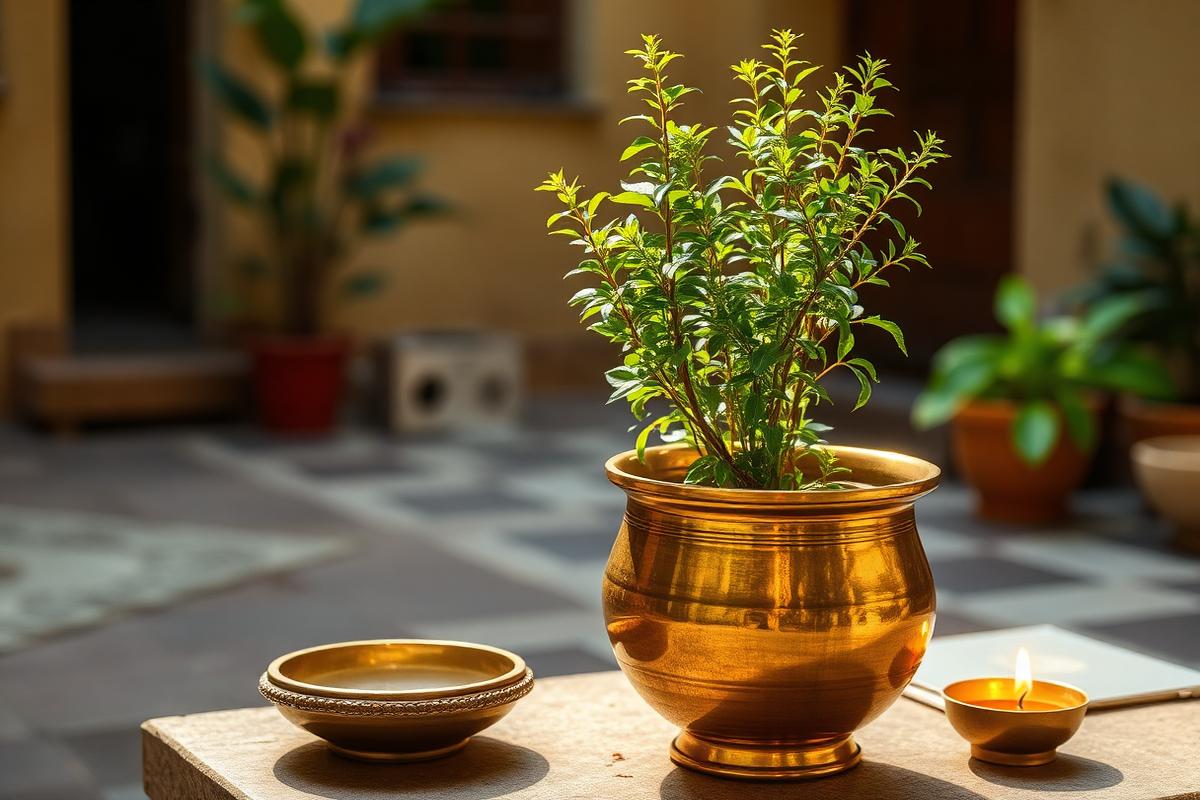
The heart of Hariyali Amavasya is the belief that planting a tree equals a yajna. Tradition holds that a peepal carries the presence of the Trimurti, a banyan grants longevity, neem brings health, amla pleases Lord Vishnu and tulsi invites Lakshmi into the home. On this day devotees circle the peepal tree, offer water and a lamp at its roots, and tie a sacred thread while praying for the family's wellbeing. Watering and worshipping the tulsi plant in the evening is considered especially fruitful for household peace.
Melas and Regional Celebrations
Hariyali Amavasya is celebrated with great colour across Rajasthan, Uttar Pradesh, Madhya Pradesh and Haryana. Udaipur hosts a famous Hariyali Amavasya mela around Fateh Sagar lake, with one day traditionally reserved for women. In Mathura-Vrindavan, special darshan and swings (jhulan) mark the season in Krishna temples, while farmers across north India worship their fields and pray for a generous harvest.
Mantras and Benefits
Chant these mantras 108 times each or as your time allows:
Om Namah Shivaya - for Shiva's grace and inner peace.
Om Sarva Mangala Mangalye Shive Sarvartha Sadhike, Sharanye Tryambake Gauri Narayani Namostute - for Maa Parvati's blessings.
Om Pitru Devaya Namah - while offering tarpan to ancestors.
Benefits: devotees believe this day removes pitru dosh, brings rain and prosperity to the land, grants marital harmony through Shiva-Parvati worship, and earns lasting punya through tree daan - a blessing that grows for as long as the tree lives.
What People Ask Most
What is Hariyali Amavasya and when does it fall?+
Hariyali Amavasya is the new moon of the Shravan month, a festival of greenery, Shiva-Parvati worship and tree planting. It usually falls in July or August; confirm the exact date on the Vandnaa Panchang.
Why are trees planted on Hariyali Amavasya?+
Tradition treats planting a tree on this day as equal to performing a yajna. Trees like peepal, banyan, neem, amla and tulsi are considered abodes of the divine, so planting and caring for them earns lasting punya.
Which deities are worshipped on Hariyali Amavasya?+
Lord Shiva and Maa Parvati are the main deities, as the day falls in Shravan. Devotees also worship the peepal and tulsi, honour their ancestors with tarpan, and farmers worship their fields.
Is fasting required on Hariyali Amavasya?+
Fasting is optional. Many devotees keep a simple vrat until the puja or eat one sattvik meal. The emphasis of the day is on Shiva-Parvati puja, pitru tarpan, tree planting and daan rather than strict fasting.
What is the connection between Hariyali Amavasya and Hariyali Teej?+
Hariyali Amavasya comes three days before Hariyali Teej, on the Shravan new moon. Both celebrate the green monsoon season and Shiva-Parvati, with the Amavasya focused on nature and ancestors and the Teej on married women's vrat.
Which tree is best to plant on this day?+
Peepal, banyan, neem, amla and tulsi are most recommended, each linked to a divine blessing. If space is limited, planting a tulsi at home and caring for it daily is itself considered highly auspicious.
About the author
Pandit Mahesh Trivedi · Festival Traditions & Panchang
Pandit Mahesh leads the festival-date and Panchang content on Vandnaa. He cross-references multiple regional panchangs (Drik, Vaishnava, Bengali, Marathi) for every festival date published on the site.
Meet the Vandnaa editorial team →Explore on Vandnaa
Related Articles

Sawan Somwar 2026: Dates, Vrat Vidhi, Shiv Mantras & Why Mondays in Sawan Are So Powerful
10 min read

Sawan (Shravan) Month - Significance, Puja & Rules
9 min read

Hariyali Teej 2026 - Vrat, Katha, Puja Vidhi & Significance
9 min read

Shiv Aarti Lyrics – Om Jai Shiv Omkara (शिव आरती)
13 min read
Om Namah Shivaya Mantra Benefits & Meaning (ॐ नमः शिवाय)
9 min read
Tulsi Plant at Home: Right Direction, Vastu Rules & 9 Sacred Benefits Every Hindu Should Know
8 min read