What Are the Four Purusharthas
The Purusharthas are the four legitimate aims of human life recognised in Hindu thought: Dharma (righteous duty), Artha (prosperity and means), Kama (desire and enjoyment) and Moksha (liberation). Together they form a complete vision of life that honours both worldly fulfilment and spiritual freedom. The key is balance - none is rejected, but each is pursued in harmony with the others, with dharma guiding them all.
Dharma - Righteous Living
Dharma is the foundation of the four aims - it means righteous conduct, duty and living in harmony with truth and cosmic order. It is what makes the pursuit of wealth and pleasure ethical rather than selfish. Dharma includes honesty, compassion, fulfilling one's responsibilities to family and society, and acting with integrity. When artha and kama are pursued within dharma, life stays balanced and free from guilt.
Artha and Kama - Prosperity and Desire
Artha is the pursuit of wealth, security, career and the material means needed to live and support a family with dignity. Kama is the enjoyment of legitimate desires - love, beauty, art, relationships and the pleasures of life. Hinduism does not condemn these; they are natural and necessary. The teaching is simply to keep them within dharma, so that ambition does not become greed and pleasure does not become indulgence that harms oneself or others.
Moksha - The Ultimate Goal
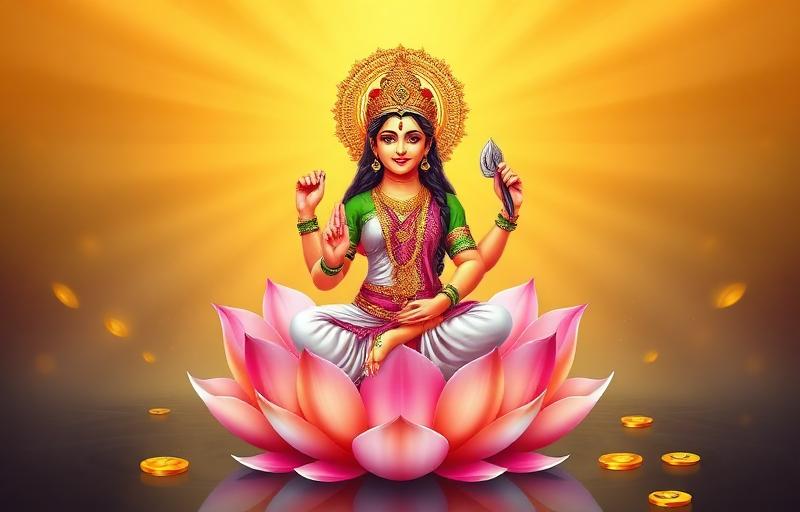
Moksha is the highest of the four aims - liberation of the soul (atman) from the cycle of birth, death and rebirth (samsara). It is freedom from ignorance, attachment and suffering, and the realisation of one's true, eternal nature as one with the Divine (Brahman). While dharma, artha and kama belong to worldly life, moksha is its spiritual culmination - the deep peace and union that all the other goals quietly point toward.
Paths to Moksha
Hinduism offers several paths to liberation, suited to different temperaments:
1. Karma Yoga - selfless action without attachment to results. 2. Bhakti Yoga - loving devotion and surrender to God. 3. Jnana Yoga - knowledge and discernment of the true Self. 4. Raja Yoga - meditation and disciplined control of the mind.
The Bhagavad Gita teaches that all these paths, walked sincerely, lead to the same liberation. Most seekers naturally blend them according to their nature.
Living a Balanced Life
The wisdom of the Purusharthas is that a full human life embraces all four aims in their proper place. One earns and enjoys honestly within dharma, while never forgetting moksha as the deeper purpose. The four ashramas (life stages) reflect this - building career and family in youth, then gradually turning more toward spiritual freedom with age. A balanced devotee neither runs from the world nor forgets the eternal.
Reader Questions Answered
What are the four Purusharthas?+
The four Purusharthas are dharma (righteous duty), artha (prosperity), kama (desire and enjoyment) and moksha (liberation). They are the four legitimate aims of human life.
What does moksha mean?+
Moksha means liberation of the soul from the cycle of birth and rebirth. It is freedom from ignorance and suffering and the realisation of the soul's true unity with the Divine.
Does Hinduism reject wealth and desire?+
No. Artha (wealth) and kama (desire) are accepted as natural and necessary aims of life. They are healthy when pursued within dharma, without greed or harm to others.
Why is dharma considered the foundation?+
Dharma guides the other three aims and keeps them ethical. It ensures that the pursuit of wealth, pleasure and even liberation stays honest, compassionate and in harmony with truth.
What are the main paths to moksha?+
The main paths are Karma Yoga (selfless action), Bhakti Yoga (devotion), Jnana Yoga (knowledge) and Raja Yoga (meditation). The Gita teaches all lead sincerely to the same goal.
Can a householder attain moksha?+
Yes. One need not renounce the world. By doing one's duty selflessly, living within dharma and keeping devotion to God, a householder can progress steadily toward moksha.
About the author
Anjali Mehta · Editor, M.A. Religious Studies
Anjali is the managing editor for Vandnaa and oversees the festival and vrat coverage. She holds an M.A. in Religious Studies and reviews every published article for accuracy, accessibility, and tradition-fidelity.
Meet the Vandnaa editorial team →Explore on Vandnaa
Related Articles

Reincarnation (Punarjanam) - Soul, Karma & Rebirth
9 min read
Bhagavad Gita - All 18 Chapters Summary & Key Teachings
10 min read
Seven Chakras - Meaning, Balance & Awakening Guide
10 min read
Om (Aum) Symbol - Meaning, Significance & Chanting Benefits
9 min read
Pranayama - Types, Benefits & How to Practice
9 min read
Gita Jayanti & Mokshada Ekadashi - Significance and Vidhi
9 min read