What Is Naivedya / Bhog
Naivedya, commonly called bhog, is the food offered to a deity during puja before anyone eats it. It is one of the sixteen steps of shodashopachara worship and is an act of pure love and gratitude - giving the best of what we have to the divine first. Once offered, the food is sanctified and returned to devotees as prasad, a blessed gift believed to carry the deity's grace.
Sattvic Rules for Bhog
Bhog must be sattvic - pure, fresh and prepared with a clean body and mind. Onion and garlic are avoided, as they are considered tamasic and rajasic. The food should be freshly cooked, never tasted before offering, and made with devotion in clean utensils kept only for this purpose where possible. Offer the food on a clean plate or banana leaf, and use only vegetarian items - meat, eggs, alcohol and stale food are never offered.
What to Offer Which Deity
Each deity has cherished offerings:
Lord Ganesha - modak, laddoo and durva grass. Lord Krishna - makhan-mishri (butter and sugar), kheer, panjiri and tulsi leaves. Lord Shiva - bhang, fruits, milk and bel patra; he is offered simple, pure items. Goddess Lakshmi - kheer, sweets, makhana and white or yellow sweets. Lord Hanuman - laddoo, especially boondi laddoo, and jaggery. Goddess Durga - halwa, puri and chana during Navratri.
Tulsi leaves are dear to Vishnu and Krishna but are not offered to Ganesha.
How to Offer Naivedya
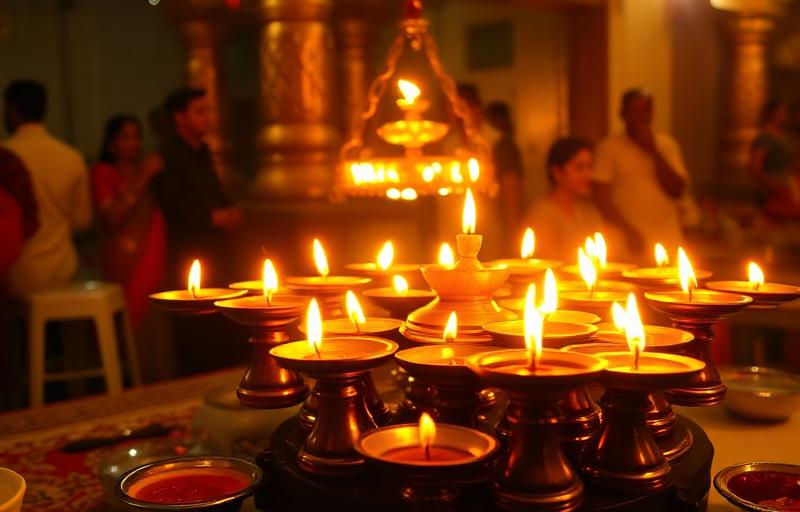
1. Place the freshly prepared food on a clean plate before the deity. 2. Sprinkle a little water around the plate and offer tulsi or a flower on the food where appropriate. 3. Fold your hands and invite the deity to accept the offering, chanting the deity's name or mantra. 4. Some traditions recite 'Om Pranaya Swaha' and related mantras while symbolically offering the food. 5. Leave it for a few moments in silent devotion, then distribute it as prasad. Always offer with love and humility, for it is the bhaav (feeling) that the deity accepts.
Turning Bhog into Prasad
After the offering, the food becomes prasad - a sanctified gift carrying the deity's blessing. Prasad should be received with both hands and a bowed head, treated with respect and never wasted. It is shared among family and devotees so that everyone partakes of the grace. Even a small, simple offering made with sincere love becomes powerful prasad, for the deity values devotion far above quantity or richness.
Do's and Don'ts
Do: offer fresh, sattvic, vegetarian food, keep utensils and hands clean, offer the deity's favourite items, and distribute prasad respectfully. Don't: taste the food before offering, use onion, garlic, meat, eggs or alcohol, offer stale or leftover food, or step over or waste prasad. Never offer tulsi to Ganesha or items the tradition specifically avoids for a particular deity.
Quick Answers
What is naivedya or bhog?+
Naivedya, or bhog, is food offered to a deity during puja before anyone eats it. Once offered with devotion, it becomes prasad - a sanctified gift carrying the deity's blessing.
Why are onion and garlic avoided in bhog?+
Onion and garlic are considered tamasic and rajasic, which disturb the calm, pure (sattvic) quality required for offerings. Bhog must be sattvic, fresh and pure, so these are always avoided.
What food should be offered to which deity?+
Ganesha loves modak and laddoo, Krishna makhan-mishri and kheer, Shiva fruits and bel patra, Lakshmi kheer and sweets, and Hanuman boondi laddoo and jaggery. Each deity has cherished offerings.
Can we taste the food before offering it as bhog?+
No. Food meant for bhog should never be tasted before offering, as it is being given first to the deity. It is offered fresh and pure, and only after offering is it shared as prasad.
Is tulsi offered to all deities?+
No. Tulsi is especially dear to Vishnu and Krishna and is offered to them, but it is traditionally not offered to Ganesha. Always follow the specific tradition for each deity.
What should be done with prasad?+
Prasad should be received with both hands and a bowed head, treated with respect and never wasted. It is shared among family and devotees so all may partake of the deity's grace.
About the author
Pandit Mahesh Trivedi · Festival Traditions & Panchang
Pandit Mahesh leads the festival-date and Panchang content on Vandnaa. He cross-references multiple regional panchangs (Drik, Vaishnava, Bengali, Marathi) for every festival date published on the site.
Meet the Vandnaa editorial team →Explore on Vandnaa
Related Articles

Panchamrit - Meaning, 5 Ingredients, Significance & Puja Vidhi
8 min read
Complete Puja Samagri List - Items and Their Significance
9 min read
Aarti Thali Items and How to Do Aarti (Vidhi)
8 min read
Dhoop / Incense - Benefits & Which Fragrance for Puja
8 min read
Lotus Flower - Significance in Hinduism & Which Deity
8 min read
Home Mandir Setup - Direction, Vastu Rules, Dos and Don'ts
9 min read