Who is Biraja Devi
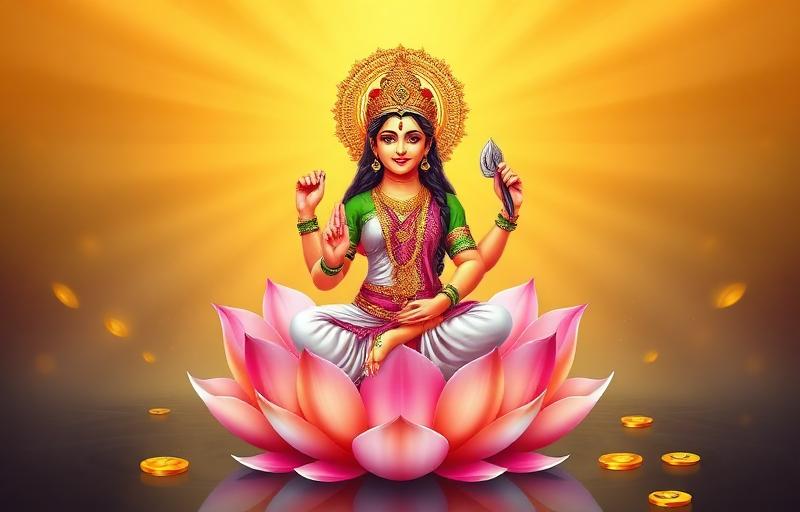
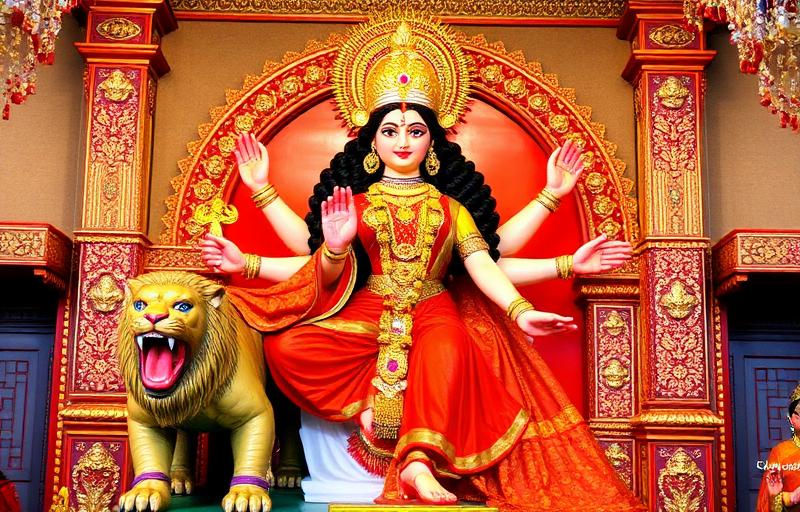
On the banks of the river Vaitarani in Jajpur, Odisha, is honoured one of the most sacred seats of Shakti worship in eastern India, the shrine of Biraja Devi. Counted by devotees among the Shakti Peethas, ancient sites where the Divine Mother's presence is believed to reside in a particularly powerful form, Biraja Devi holds a cherished place in Odisha's devotional life.
For generations, devotees across the region have regarded her not merely as a temple deity, but as a living presence tied to the very land and river beside which she is worshipped.
Legend and Her Place Among the Shakti Peethas
As per the Puranic legend of the Shakti Peethas, it is believed that parts of the goddess Sati's form fell across the land after Lord Shiva's grief-stricken tandava, and tradition holds that it was here, at Jajpur, that her nabhi, or navel, came to rest.
This legend places Biraja Devi within a wider sacred network of Shakti Peethas spread across the subcontinent, each cherished by devotees for a similar story of devotion born out of divine sorrow and transformed into enduring worship.
Devotees hold this katha dear not as a historical claim to be verified, but as a sacred memory that binds Biraja Devi's shrine to a far larger tradition of Devi worship across India.
Significance and Symbolism
Biraja Devi is worshipped as a form of Shakti who embodies both nurture and fierce protection, qualities devotees see reflected in her river-side seat, where the ever-flowing Vaitarani is believed to add to the sanctity of her presence.
Devotees pray to her for the protection and wellbeing of their families, for strength to endure hardship, and for the fulfilment of heartfelt wishes, approaching her as they would any form of the Divine Mother, with humility rather than expectation.
Rituals and Festival Tradition
Regular daily worship continues at Biraja Devi's shrine through the year, but it is during Durga Puja and Navratri that the temple sees its most significant festivity, when devotees gather in especially large numbers to seek her blessing.
The Vaitarani river beside the temple holds its own place in local tradition, regarded by many devotees as sacred in its own right, adding another layer of devotion to a visit here.
A Devotional Takeaway
Biraja Devi's tradition reminds devotees that sacred memory, carried through legend and river alike, can bind a community to a place across countless generations. Her worship, like that of every Shakti Peeth, is ultimately an offering of faith and love.
As always, devotees are reminded that this is a relationship of the heart, not a transaction, one that has quietly anchored Jajpur's devotional life for as long as anyone can recall.
Quick Answers
Why is Biraja Devi considered a Shakti Peeth?+
Tradition holds that the nabhi, or navel, of the goddess Sati fell at this site after Lord Shiva's tandava, placing Biraja Devi among the sacred network of Shakti Peethas.
Where is Biraja Devi's shrine located?+
The shrine stands in Jajpur, Odisha, on the banks of the river Vaitarani, which devotees regard as adding to the sanctity of the site.
When is the most significant time to seek Biraja Devi's blessing?+
Durga Puja and Navratri bring the temple's most significant festivity, when devotees gather in especially large numbers, though regular worship continues all year.
About the author
Pandit Ravindra Sharma · Vedic Rituals & Bhakti, 22+ years
Pandit Ravindra is the Vandnaa editorial team's resident specialist on aarti, chalisa, and daily devotion. He has performed home and temple pujas across Varanasi and Delhi for over two decades and contributes the bhakti-focused articles on this site.
Meet the Vandnaa editorial team →