What is Shankh & Why It's Sacred
Shankh (Sanskrit: शंख) is the spiral conch shell - one of the 8 sacred objects in Hindu cosmology. It is held in the upper-left hand of Lord Vishnu and is among the Panchajanya - the 5 cosmic conches.
The cosmic story: During the Samudra Manthan (cosmic ocean churning), several precious objects emerged. The Shankh was one of them - claimed by Lord Vishnu as his eternal companion. Since then, every major Vishnu form (Krishna, Rama, etc.) carries a personal Shankh.
Krishna's Shankh - Panchajanya - was famously blown at the start of the Mahabharata war on Kurukshetra. Its sound was said to destroy the morale of Kaurava army.
Why Shankh sound is sacred:
- The shell is literally cosmic geometry - Fibonacci spiral matches universal patterns
- Its sound carries specific frequencies that match Om's vibration
- When blown correctly, it produces a sound resembling thunder + cosmic rumble
- Said to scare away negative entities, ghosts, evil eye
- Used to start every major Vedic ritual
Modern science findings:
- Conch sound has been measured at 73 Hz - matches certain healing frequencies
- The vibrations stimulate the lungs (deep breath needed to blow it)
- Children who blow conches develop better lung capacity
- Studies show meditative state induced by listening to conch sound
Symbolism:
- Spiral form - represents endless time, eternal flow
- Hollow inside - represents Brahman (cosmic emptiness)
- Fibonacci pattern - represents nature's intelligence
- Pure white - represents purity, sattva, divinity
The 8 sacred objects (Asthamangal) where Shankh appears: 1. Shankh (conch) 2. Chakra (discus) 3. Padma (lotus) 4. Gada (mace) 5. Dhwaja (flag) 6. Vajra (thunderbolt) 7. Trishul (trident) 8. Kalash (water pot)
In many cases, Shankh is considered the most powerful of these in cleansing energy.
🐚 The Vandnaa App's Rituals module has Shankh sound recordings, blowing technique tutorial, and Shankh puja vidhi guide.
Types of Shankh & Their Uses
Not all conches are equal. Different types serve different purposes:
1. Lakshmi Shankh (rare, very auspicious)
- Pearl-like sheen, often called 'Dakshinavarti' (right-handed spiral)
- Right-handed spiral when viewed from opening end
- Considered Lakshmi's home
- Place in home for wealth
- Also called 'Maha Lakshmi Shankh'
- Cost: ₹5,000-50,000+
2. Vamavarti Shankh (left-handed spiral, common)
- Most common Shankh used for blowing in puja
- Left-handed spiral when viewed from opening end
- Used for general puja, aarti
- Cost: ₹500-3,000
3. Ganesh Shankh
- Naturally shaped like Lord Ganesh
- Worship for obstacle removal
- Rare and prized
4. Gomukhi Shankh
- Resembles cow's mouth at one end
- Used for water rituals (abhishek)
- Pour water from this onto Shivling, Lakshmi
5. Kauri Shankh (small)
- Small shells, used in numbers (often in groups of 5, 7, 21)
- Place under bed, pillow, or in puja for protection
- Kept in cash boxes for wealth
6. Garuda Shankh
- Shaped like Garuda (Vishnu's vehicle)
- Powerful for protection, removing fear
- Rare
7. Pancha-mukhi Shankh
- 5-faced conch
- Said to grant 5-fold blessings
- Reserved for advanced practitioners
Identifying Real Shankh:
- Smooth inner surface - feels like polished marble
- Natural off-white to light cream color
- Spiral pattern - clear and even
- No artificial paint (some markets sell painted plastic shells)
- Sound - when blown, produces clear echo (don't blow before buying!)
- Weight - heavier than expected for size
- Smell - slight sea-salt smell, not chemical
Where to buy:
- Established religious supply stores
- Major temple shops (most reliable)
- Online: only from verified Hindu spiritual brands
- Avoid: tourist beach markets, very cheap online listings
Storage:
- Wrap in red or yellow cloth
- Place in puja area
- Don't expose to direct sunlight long-term
- Clean weekly with soft cloth
- Don't store with metal items (oxidation)
🐚 The Vandnaa App's Shopping Guide has verified Shankh vendors with photos and price ranges for each type.
How to Blow Shankh - Technique & Sound
Blowing Shankh is an art that takes practice. Here's the technique:
Preparation:
- Bath, clean clothes
- Fill lungs with deep breath
- Hold Shankh in left hand (open end forward)
- Place opening at center of lips
- Don't bite the edge
The technique (step by step):
1. Take 3 deep breaths to fill lungs completely 2. Form lips into a tight 'O' shape (like blowing kiss) 3. Place opening of Shankh at lips with slight pressure 4. Blow STEADILY and STRONGLY with steady airflow 5. Don't blow too short - sustain the breath for 4-7 seconds 6. Listen for the deep echo - that's the cosmic sound
Common beginner mistakes:
- Blowing too softly (no sound)
- Blowing too short (cuts off the resonance)
- Lips too loose (air escapes)
- Lips too tight (no air goes in)
- Wrong angle (Shankh tilted)
- Hesitation in middle (sound breaks)
Building practice:
- Day 1: Just produce ANY sound from Shankh
- Day 7: Sustain sound for 3 seconds
- Day 14: Sustain for 5 seconds
- Day 21: Clear, deep, sustained sound
- Day 41: Master the long single blow + multiple short blows
Number of blows for different occasions:
- Daily morning puja: 3 long blows
- Aarti opening: 7 blows (rapid)
- Major festival: 21 blows
- Graha shanti puja: 9 blows
- Wedding ceremony: 11 blows
- Funeral: 4 blows (long, mournful)
The sound types:
1. Single long blow (Dheergha Shankh): 5-7 seconds, used to start ceremonies
2. Multiple short blows (Khanda Shankh): Quick rhythm, used during aarti
3. Mantra-Shankh: Blow 7 times alternating with mantra - used for Lakshmi puja
Children should:
- Start practicing from age 8
- Use small Shankh first
- Build lung capacity gradually
- Best done outdoors initially (less pressure on lungs)
Health benefits of regular blowing:
- Increases lung capacity
- Improves voice quality
- Strengthens diaphragm
- Reduces snoring
- Helps with mild asthma
- Stimulates thyroid gland
Shankh Puja Vidhi & Daily Rituals

Daily morning ritual (5 minutes):
1. After bath, place Shankh on a clean cloth in puja area 2. Apply chandan tilak to Shankh 3. Offer a small flower (white preferred) 4. Sprinkle a few drops of Ganga jal on it 5. Hold in right hand, raise toward Vishnu/Krishna photo 6. Blow 3 times (long blows) 7. Place back, fold hands in prayer
Major puja day vidhi:
Diwali, Janmashtami, Vaikuntha Ekadashi, Akshay Tritiya, Holi: 1. Wash Shankh with milk + Ganga jal 2. Apply sandalwood paste 3. Place near deity throughout puja 4. Blow 7-21 times during aarti 5. Pour Shankh-water (consecrated water from Shankh) on deity 6. Drink few drops as charanamrit at end
Lakshmi Shankh special use:
- Place on yellow/red cloth in north corner
- Daily light incense
- Friday: special puja with kheer offered
- Diwali night: keep Shankh-water in cash box overnight
- Saraswati and Lakshmi mantras can be chanted while Shankh is held
Cleaning rituals:
Daily: Soft cloth wipe
Weekly (Friday): Wash with cold water, dry on clean cloth, sun-bath for 1 hour
Monthly (Purnima): Soak in Ganga jal + few drops cow milk for 30 minutes, dry, repolish with sandalwood oil
Yearly (Diwali): Deep cleaning with mild soap if needed, repaint chandan markings, recharge with conch sound at sunrise
Charging Shankh with mantras: Sit before Shankh during morning puja. Chant 11 times each:
- 'Om Shankhaaya Namah'
- 'Om Vishnuh Hridayalayaaya Namah'
- 'Om Lakshmyei Pachjanyaaya Namah' (for Lakshmi Shankh)
After 41 days of charging, Shankh becomes spiritually 'awakened' - its sound carries amplified blessing.
Shankh Sthapana (formal installation): On Diwali, Akshay Tritiya, or any auspicious day: 1. Bathe Shankh with milk + curd + ghee + honey + sugar (Panchamrit) 2. Wrap in new red cloth 3. Place on dedicated chowki 4. Light a ghee diya next to it 5. Don't move from that spot for 41 days 6. Daily darshan + soft chandan touching 7. After 41 days, you can use it for puja and blowing
This is how Lakshmi Shankhs especially are 'permanently installed' in homes.
Rules, Do's & Don'ts
STRICT DO'S:
1. Always wash hands before touching Shankh. 2. Place Shankh on clean cloth, never directly on floor. 3. Use clean water for Shankh ablutions. 4. Blow at sunrise/sunset/special times only. 5. Touch Shankh to forehead before puja (sacred touch). 6. Replace flowers daily. 7. Wrap in new cloth on Diwali, Janmashtami. 8. Use Lakshmi Shankh on Fridays especially. 9. Light a diya/agarbatti near Shankh daily. 10. Inscribe family name discreetly inside (some traditions) for personal Shankh.
STRICT DON'TS:
1. ❌ Don't blow Shankh during inauspicious times (between sunset and sunrise except for aarti, eclipses, sutak periods).
2. ❌ Don't blow during eclipses (grahan).
3. ❌ Don't blow if you have pulmonary issues without doctor approval.
4. ❌ Don't lend your personal Shankh to others - it carries your specific energy.
5. ❌ Don't drop Shankh - even small drop disrupts energy. Handle carefully.
6. ❌ Don't use cracked/broken Shankh - energy is broken; replace.
7. ❌ Don't keep Shankh on the ground (toilet, dirty floor, etc.).
8. ❌ Don't use Shankh during family death sutak period (13 days).
9. ❌ Don't blow if menstruating (per traditional rule; modern devotees handle individually).
10. ❌ Don't blow at night just for fun - the sound calls cosmic energies; use with respect.
11. ❌ Don't expose to artificial chemicals - incense from natural sandalwood only.
12. ❌ Don't store with shoes/leather - major energy clash.
13. ❌ Don't store inside refrigerator/cold places - Shankh prefers warm, dry environment.
14. ❌ Don't paint or modify Shankh - natural state preserves energy.
15. ❌ Don't keep multiple Shankhs scattered around home - concentrate energy in one puja area.
Special rules:
For pregnant women: Yes, can blow Shankh - actually beneficial for unborn child. Avoid only if doctor advises against.
For children: Start practice from age 8. Smaller Shankh first.
For elderly: If lung capacity reduced, don't strain. Listen to Shankh sound from recordings - also beneficial.
For temples: Temple Shankhs are blown 7+ times during major aartis.
Scientific & Health Benefits
Modern science confirms many traditional Shankh claims:
1. Lung capacity improvement Blowing Shankh requires sustained, controlled exhalation. Daily practice for 3 months has been shown to:
- Increase lung capacity by 15-25%
- Improve diaphragm strength
- Reduce snoring incidence
- Help mild asthma symptoms
2. Cardiovascular benefits
- Steady controlled breathing reduces cortisol
- Heart rate variability improves
- Mild blood pressure reduction in regular practitioners
3. Immunity boost
- Deep exhalation expels pathogens from lower lungs
- Frequent practice associated with reduced respiratory infections
- Especially beneficial in winter
4. Voice & speech improvement
- Strengthens vocal cords
- Improves voice projection
- Beneficial for singers, public speakers
- Helps speech impediments (stuttering, weak voice)
5. Mental health
- Sustained exhalation activates parasympathetic nervous system
- Reduces anxiety
- Improves focus
- Sound vibrations have meditative effect on listeners
6. Sound therapy
- Conch sound at 73-110 Hz frequency
- Stimulates nasal vibrations and sinuses
- Said to reduce migraines
- Stress hormone reduction in studies
7. Air ionization
- Sound vibrations affect air molecules in nearby vicinity
- Negative ion generation (similar to forest air)
- Said to improve mood and air quality temporarily
8. Antimicrobial properties
- Conch sound (and traditional rituals around it) increase room positive ion density
- Some studies show reduction in airborne pathogens after sustained Shankh use
9. Spiritual + scientific synthesis
- The 73 Hz frequency matches Earth's Schumann resonance (7.83 Hz multiplied)
- Brings the practitioner into alignment with planetary frequency
- Subtle but measurable energetic effect on practitioner and environment
Cautions:
- People with high blood pressure should blow softly initially
- Heart conditions: consult doctor
- Severe asthma: only after medical clearance
- Pregnant women in late stages: avoid forceful blowing
Combining with practice:
- Morning Shankh + pranayama = double benefit
- Sunrise Shankh + Surya namaskar = optimal solar alignment
- Pradosh Shankh + Shiva mantras = peak Shaivite practice
- Lakshmi Shankh weekly + Lakshmi mantras = sustained prosperity
Bring Sacred Sound Into Your Daily Life
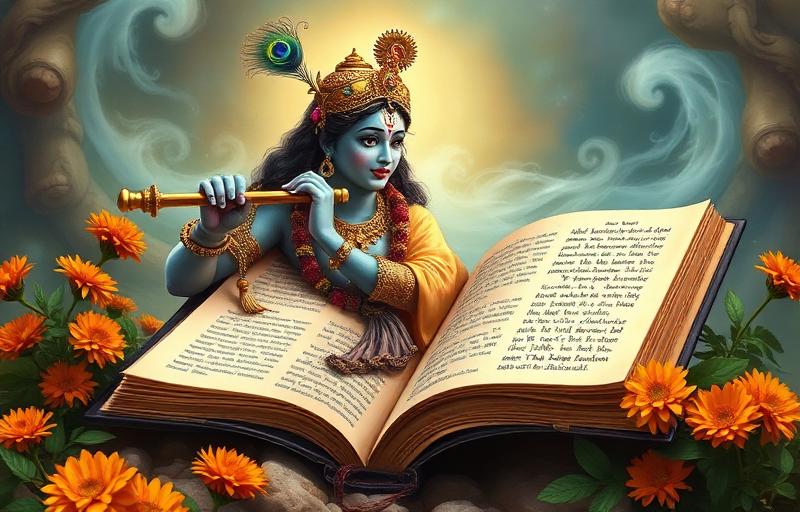
Shankh is one of the most accessible sacred objects in Hinduism. ₹500-3,000 buys you a basic Shankh that lasts a lifetime. Daily 3-blow morning practice takes 1 minute. Health benefits accumulate over years.
Three commitment levels:
Level 1 - Beginner:
- Buy small basic Shankh
- Daily 3 morning blows
- Weekly cleaning
- Use during family aartis
- Sustainable for life
Level 2 - Intermediate:
- Quality Shankh (₹3,000+)
- Morning + evening practice
- Saturday Shankh-bath ritual
- Major festival blowing (21 times)
- Lakshmi Shankh on Fridays
Level 3 - Devoted:
- Multiple specialized Shankhs (Lakshmi, Vishnu, etc.)
- Daily 41-day Shankh charging cycles
- Akhand Shankh (continuous blowing on Janmashtami midnight)
- Family heritage Shankh
- Pass to next generation
A final reflection:
When Krishna blew the Panchajanya at Kurukshetra, it reverberated across the cosmos. When you blow the Shankh in your home today, you join that same cosmic chord - a thread connecting Krishna's voice to yours.
The Shankh asks for nothing. It is silent until you breathe into it. With your breath, ancient cosmic frequencies awaken. The negative energy in your home flees. The deity hears your call.
Begin tomorrow morning. Pick up the Shankh. Breathe deeply. Blow with intention.
The sacred sound that the universe started with - Om - has a physical embodiment in your hands.
Use it wisely. Use it daily. Use it with devotion.
Om Shankhaaya Namah. Om Vishnu Hridayalayaaya Namah.
🐚 The Vandnaa App's Shankh module: blowing technique tutorial, frequency analyzer (compare your blow to ideal), 41-day Shankh charging tracker, and morning Shankh reminder.
Common Questions From Devotees
Can anyone blow a Shankh?+
Yes - there is no caste, gender, or age restriction (above 8). Anyone with sincere devotion can blow Shankh. Practice is needed to produce a clear sound; don't be discouraged if your first attempts are weak.
How do I know if my Shankh is real?+
Real Shankh has: smooth inner spiral, off-white natural color (not bright white from paint), heavier than expected, slight sea-salt smell, produces clear deep sound when blown, smooth marble-like inner surface. Buy from established religious supply stores or temple shops.
Should I touch the Shankh during my menstrual cycle?+
Traditional rule: avoid. Modern devotees handle individually. Many women refrain from touching/blowing during menstruation as personal choice. The energy aspect is subtle. Best alternative: listen to Shankh sound recordings.
Can the same Shankh be used for puja and blowing?+
Yes, dual purpose is fine. However, Lakshmi Shankh (Dakshinavarti) is typically NOT blown - only kept for darshan/wealth. Vamavarti Shankh is the regular blowing Shankh. Most homes have both: one for blowing, one for keeping.
How often should I blow the Shankh daily?+
3 long blows in morning (sunrise) is the basic daily practice. During major aartis (morning/evening puja), 7 blows. Festivals: 21 blows. Don't blow casually multiple times throughout the day - it's a sacred practice with timing.
Can a Shankh kept inside the house attract negative energy if not used?+
No - a properly stored Shankh (in puja area, wrapped in red/yellow cloth, occasionally cleaned) carries positive energy even unused. The issue would be improper storage (on floor, in dirty area, with shoes). Keep clean, blessed, occasionally touched - that's enough.
About the author
Pandit Mahesh Trivedi · Festival Traditions & Panchang
Pandit Mahesh leads the festival-date and Panchang content on Vandnaa. He cross-references multiple regional panchangs (Drik, Vaishnava, Bengali, Marathi) for every festival date published on the site.
Meet the Vandnaa editorial team →Explore on Vandnaa
Related Articles
Why We Ring the Temple Bell: 7 Spiritual Reasons & 3 Scientific Findings (Complete Guide)
8 min read
Why We Light Evening Diya at Home: 6 Reasons, Right Time & Vidhi
7 min read
Lakshmi Puja at Home Step by Step (घर पर लक्ष्मी पूजा कैसे करें)
9 min read

Why 108 Beads in a Mala? The Sacred Number Explained
7 min read
Diya Jalane Ke Niyam: Right Direction, Best Oil, Number of Wicks & What Every Flame Means
8 min read
Diwali 2026: Lakshmi Puja Vidhi, Exact Muhurat, Mantras & 11 Things Every Home Must Do
11 min read