The Story Behind Shiv Tandav Stotra
Shiv Tandav Stotra was composed by Ravana - the same Ravana who later became the villain of the Ramayana. But this is from his earlier life, when he was a supreme Shiva devotee.
The story: Ravana was visiting Kailasa Parvat to take darshan of Lord Shiva. Nandi (Shiva's bull) refused to let him pass - telling Ravana to wait while Shiva and Parvati were in private. Ravana, in his characteristic arrogance, decided to lift the entire Kailasa mountain to take it to Lanka so that he could worship Shiva there.
When Ravana lifted the mountain, Shiva pressed it down with his toe, trapping Ravana's hands underneath. Ravana could not move. He realized his mistake and, to please Shiva, composed the Shiv Tandav Stotra extempore - its fierce, rhythmic Sanskrit poetry came pouring out as he begged for forgiveness.
Shiva was so pleased with the stotra that he forgave Ravana, freed his hands, and granted him many boons. Ravana was given the name 'Dasagriva' (ten-throated) for the powerful voice that produced this stotra.
Why Ravana? It's important: even villains in Hindu cosmology can be supreme devotees. Ravana was a brilliant scholar of the Vedas, master of all 4 Vedas + 6 shastras, and Shiva's most accomplished devotee before his downfall through ego (kidnapping Sita). His stotra remains pure Shiva-bhakti at its peak.
The structure:
- 17 verses (some traditions count 16)
- Sanskrit Panchachamara meter - rhythmic, almost musical, designed for chanting
- Total recitation time: 5-7 minutes (faster than other stotras due to rhythm)
- Each verse is technically perfect - Sanskrit scholars consider it among the most beautifully constructed stotras ever written
Why it's so powerful:
- Composed in a moment of supreme bhakti (mountain-trapped Ravana)
- Direct cosmic transmission (came spontaneously, not labored)
- Approved by Shiva himself (he freed Ravana after hearing it)
- Rhythmic structure carries the energy of Shiva's tandav (cosmic dance)
🔱 The Vandnaa App's Stotras module has Shiv Tandav Stotra in 3 styles - slow learning, classical recitation, and the famous 'rhythmic chant' style that captures the original cosmic dance energy.
Most Famous Verses & Meanings
Verse 1 - The Opening (most quoted line): 'Jataa-tavi-galaj-jala-pravaaha-paavita-sthale, Galay-vala-vya-lambya lambitaam bhujanga-tunga-maalikaam, Damad-damad-damad-daman-ninada-vada-marvayam, Chakaara chand-tandavam tanotu nah Shivah Shivam.'
'On whose matted locks the Ganga flows; whose neck wears a serpent garland; whose damaru drum sounds 'damad damad damad'; performing the fierce tandav dance - may Lord Shiva grant us auspiciousness.'
The opening sets the cosmic stage - Shiva is dancing the Tandav, and the verse describes him in motion.
Verse 2 - Shiva's Hair: 'Jataa-katava-galaj-jala-pravaaha-paavita-sthale.'
Shiva's matted locks, purified by the Ganga's flow.
Verse 3 - The Damaru: 'Dhara dhara dharendra mauliyutamala-shrivardhamaane.'
The drum's echo carries the cosmic vibration.
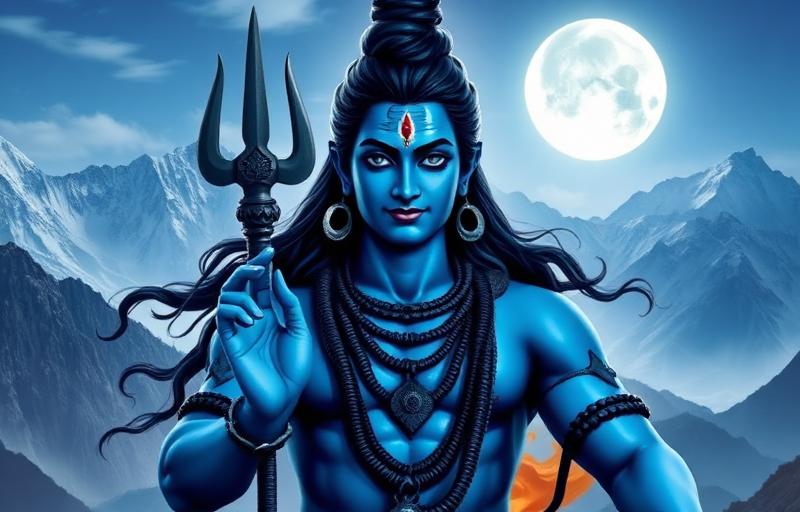
Verses 4-6 - Shiva's Complete Form: Describes Shiva's third eye, half-moon ornament, snake garland, ash-covered body - each detail invoking a specific aspect of his cosmic role.
Verse 7 - The Devotee's Plea: 'Nilim-pa-naa-yikam ganadhipa-mukhya-naayikamiti, Kalaa-kalaapa-kalitam dadhati Shankara svayam.'
Shiva, who himself wears the moon, and is the original master of all rhythm - bless me.
Verses 8-12 - Shiva's Cosmic Dance: The heart of the stotra - describing the Tandav itself. Shiva dances destruction and creation simultaneously. The rhythm of these verses matches the rhythm of cosmic dissolution.
Verse 13 - The Promise: 'Kadaa nileempa-nirjari-nikuanja-koota-vaasinam, Vimoha-mama nirvritim na para-vidya cha tat-padam?'
'When will I attain the place where Shiva dwells with his consorts in cosmic groves?'
Verses 14-16 - Devotional Surrender: The final verses are pure surrender - the devotee acknowledging Shiva as the sole refuge.
Verse 17 - Phalashruti: 'Pujaava-saana-samaye dasha-vaktra-geetam, Yah Shambhu-poojanam-edam pathati pradoshe, Tasya sthiram ratha-gajendra-turanga-yuktaam, Lakshmim sadaiva sumukhim pradadaati Shambhuh.'
'Whoever recites this stotra (composed by the ten-faced one) at the end of Shiva puja, at Pradosh kaal - Shiva grants Lakshmi (prosperity) along with chariots, elephants, horses, and graceful family.'
Note: this is the only Lakshmi-promising verse in a Shiva stotra - making it doubly powerful.
Powerful Benefits of Shiv Tandav Stotra
1. Inner Strength & Courage The rhythmic, fierce energy fills the body with shakti. People facing fear, weakness, depression report feeling 'energized' after sustained recitation.
2. Removal of Negative Influences Like Bajrang Baan for Hanuman, Shiv Tandav for Shiva is a fierce protective stotra. Black magic, evil eye, and energetic attacks dissolve in its rhythm.
3. Improvement in Voice & Speech Clarity Ravana was given the name Dasagriva (ten-throated voice). Reciting his stotra is said to improve voice quality, public speaking confidence, and singing ability.
4. Rhythm & Music Mastery Musicians, dancers, performers chant Shiv Tandav for artistic breakthrough. The cosmic rhythm of Tandav energizes creative work.
5. Wealth (Verse 17 promise) The phalashruti specifically promises Lakshmi for those who recite at Pradosh time. Combines Shiva and Lakshmi blessings unusually.
6. Removal of Ego Ironic - the stotra was composed by Ravana whose ego destroyed him. Reciting it with sincere bhakti dissolves the reciter's own ego (the inverse of Ravana's mistake).
7. Direct Shiva Connection Few stotras open such direct cosmic connection. The vibrational quality of the Sanskrit creates immediate energetic alignment with Shiva.
8. Mental Health & Anxiety Relief The rhythm has documented calming effect - used in modern bhakti-yoga therapy for anxiety, OCD, and racing thoughts.
9. Physical Strength & Vitality Daily recitation boosts energy levels. Ayurvedic practitioners sometimes recommend it for fatigue.
The 11-recitation rule: For specific intentions, recite 11 times in a single Pradosh evening. The 17-verse-x-11 = 187 mantra recitation takes ~90 minutes and is considered equivalent to a major Shiva sadhana.
Pradosh Special: Reciting at Pradosh kaal (just before sunset on Pradosh tithi, twice a month) gives the special Lakshmi blessing promised in Verse 17.
How to Chant Shiv Tandav Stotra Correctly
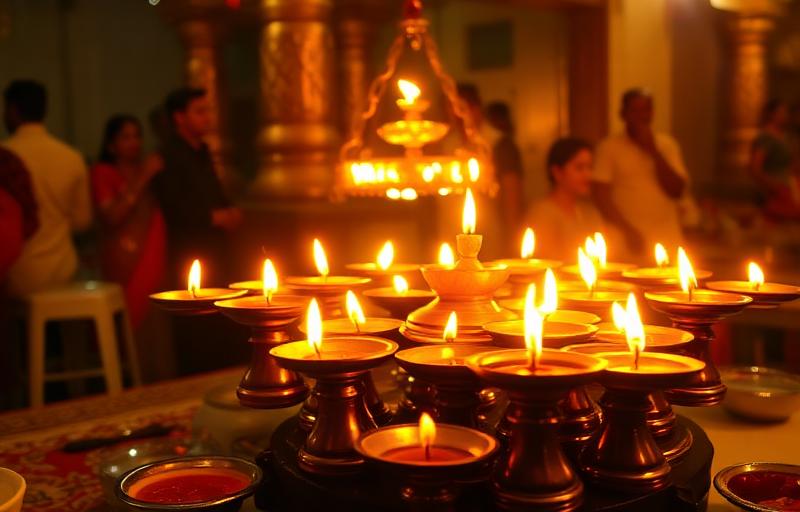
Best time: Pradosh kaal (just before sunset on Pradosh tithi, twice a month). Mahashivratri night is supreme. Sawan Shivratri July 23, 2026 - perfect time.
Best day: Monday, Pradosh days (every 13th tithi twice monthly), Mahashivratri, Sawan Mondays.
Critical: Master the rhythm first. Unlike other stotras where slow recitation is fine, Shiv Tandav DEMANDS rhythmic chanting. The 'damad damad damad' beat is the signature. Without rhythm, the stotra loses 60% of its power.
Step-by-step:
1. Listen first. Before attempting to recite, listen to traditional Shiv Tandav recordings 10-20 times. The rhythm must be internalized.
2. Read transliteration with audio. Practice 5-10 days reading along with audio.
3. Solo practice slowly. Begin reciting alone at slow pace - half-speed. Build up over weeks.
4. Add tempo. Once verses are memorized at slow pace, increase tempo to original speed.
Setup for puja recitation:
- Shivling or Shiva photo
- Mustard oil OR ghee diya
- Bilva leaves
- Bhasma
- Chandan paste
- Camphor
- Bell
- Asana
- Rudraksha mala
Vidhi:
1. Bath, white/saffron clothes 2. Bhasma tilak (3 horizontal lines) 3. Sit on asana facing east or north 4. Sankalpa - state intention 5. Light diya 6. Apply chandan + bhasma to Shivling 7. Offer Bilva + flowers 8. Begin Shiv Tandav recitation with full rhythm - 5-7 minutes 9. At the 'damad damad' lines - ring bell rhythmically 10. Closing aarti - Om Jai Shiv Omkara 11. Take charanamrit
Bell-ringing tip: The bell during 'damad damad damad damad damadyat' creates the sonic effect of Shiva's damaru. This intensifies the vibration significantly.
Total time: 15-25 minutes for full puja with stotra.
Shiv Tandav for Specific Situations
For Public Speaking / Presentation: Recite once before an important presentation. Voice gains clarity, confidence rises. Useful for actors, teachers, politicians, salespeople.
For Voice Problems: Daily recitation for 41 days improves voice quality. Useful for singers, voice-over artists, hoarseness recovery.
For Removing Fear: The fierce energy dissolves chronic fearfulness. Pair with Hanuman Chalisa for double effect.
For Enemies / Court Cases: The Ravana-energy of the stotra is naturally protective against enemies. Recite 11 times before any major hearing.
For Black Magic / Tantric Attack: Combines well with Bajrang Baan. Recite Shiv Tandav at sunrise + Bajrang Baan at sunset for 21 days.
For Wealth (Verse 17 promise): Must recite at Pradosh kaal for the Lakshmi promise to activate. Twice monthly Pradosh recitation builds gradual prosperity.
For Removing Ego (advanced): The paradoxical use - Ravana's ego-destruction story embedded in the stotra. Reciting with conscious surrender dissolves one's own arrogance.
For Music & Dance Mastery: Musicians chant before performance. Dancers especially - the Tandav is the cosmic dance, source of all dance forms.
For Mahashivratri Night: At midnight nishita kaal, reciting Shiv Tandav 11 times is one of the most powerful Mahashivratri practices.
For Daily Strength (general): Morning recitation establishes the day under Shiva's tandav energy. Excellent for those starting workouts, taking on challenges, recovering from illness.
Common Mistakes
1. Reciting without rhythm. Shiv Tandav demands the rhythmic structure. A slow, melancholy recitation defeats the purpose. The cosmic dance energy needs the dance pace.
2. Mispronouncing 'damad damad damad'. This is the signature line. Each 'damad' must be clear, percussive - like the actual damaru drum.
3. Skipping the bell. Bell-ringing during the rhythmic lines is part of the sonic offering. Without it, half the experience is missed.
4. Not memorizing. Reading from text breaks the rhythm. Eventually, you must memorize all 17 verses for full rhythmic flow.
5. Reciting on wrong days. Mondays, Pradosh, Mahashivratri only. Avoid Tuesday, Thursday for primary recitation.
6. Not understanding the verse 17 promise. Many people skip Verse 17 thinking it's the 'optional ending'. It's actually the most powerful - promises Lakshmi for Pradosh-time recitation.
7. Reciting too fast. While rhythm is essential, gibbering at maximum speed is not the rhythm. Master the precise tempo from traditional recordings.
8. Reciting in a confused emotional state. Bring focus and devotion. The fierce energy needs a clear vessel.
9. Wearing red. Red is for Shakti/Hanuman. White, saffron, yellow only for Shiva.
10. Doing it without preparation. Unlike simpler aartis, Shiv Tandav requires preparation (bath, asana, items). Don't do it casually mid-day.
Embrace the Cosmic Dance
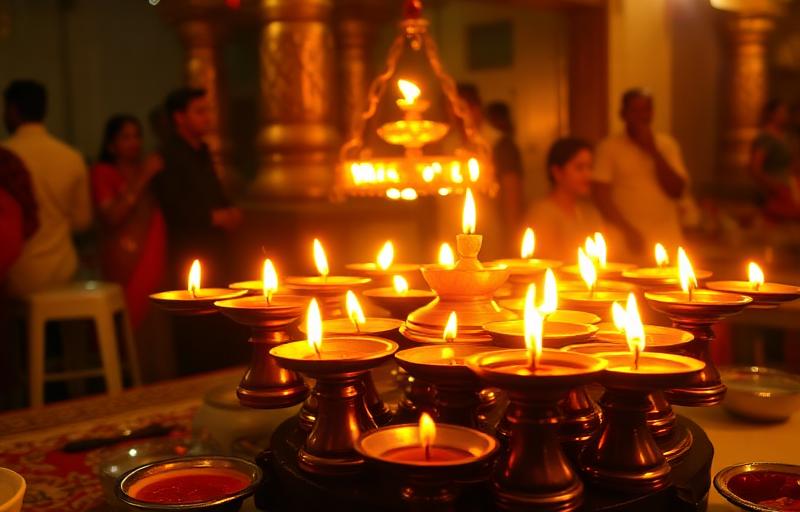
Shiv Tandav Stotra is unique among Hindu stotras - it is composed by a 'villain' (Ravana), it has a built-in promise of wealth (Verse 17), and its rhythmic structure mirrors Shiva's cosmic dance directly.
When you recite it well - with rhythm, with bell, with bhakti - you are not just praying. You are joining Shiva's tandav itself. Your voice becomes part of the cosmic dance.
Three commitment levels:
Level 1 - Pradosh practitioner:
- Twice-monthly Pradosh recitation
- Triggers Verse 17's Lakshmi promise
- 30-minute practice each
Level 2 - Monday devotee:
- Every Monday + Pradosh
- ~7 sessions per month
- Strong devotional rhythm
Level 3 - Daily energizer:
- Once daily, morning
- 10-15 minute practice
- Builds Shiva's tandav energy in life
A final reflection:
Ravana was a complex figure. He was learned, devoted, powerful. His ego became his downfall. But before that, in his moment of trapped helplessness under Kailasa, he composed THIS - perhaps the most beautiful stotra in Sanskrit literature.
This is Hinduism's wisdom: even the wicked can produce beauty when they surrender. Even Ravana's voice, in moments of true bhakti, became cosmic.
When you recite Shiv Tandav, remember Ravana trapped under Kailasa. His arrogance brought him there. His surrender freed him. The same cycle is in every human life.
Let Shiva trap your ego. Let your voice surrender. Let the dance carry you.
Har Har Mahadev. Shiva Shivah. Damad Damad Damad.
🔱 The Vandnaa App's Shiv Tandav module: rhythmic audio in 3 styles, bell-sync feature, Pradosh kaal calendar, 11-recitation tracker, beginner's tempo trainer.
What People Ask Most
Is it bad luck to recite a stotra by Ravana?+
No - quite the opposite. Ravana, before his fall, was Shiva's most devoted bhakta. The stotra came from his moment of pure devotion, not from his villainous later self. Reciting it actually invokes his unparalleled bhakti as a model.
How long does Shiv Tandav take to recite?+
5-7 minutes when recited at proper rhythmic pace. Slow learning pace can take 10-12 minutes. Don't go faster than 5 minutes - too fast loses the syllables.
Can I recite Shiv Tandav daily?+
Yes, daily morning recitation is excellent. The fierce energy is invigorating. However, save the full Pradosh-time recitation for the actual Pradosh days (twice monthly) when Verse 17's Lakshmi promise activates.
Can women recite Shiv Tandav Stotra?+
Yes - no gender restriction. Women across India recite it for protection, strength, and wealth. The fierce energy is equally available to all sincere devotees.
What if I cannot get the rhythm right?+
Listen to traditional recordings 20-50 times before attempting. Read transliteration along with audio. Practice in solitude for weeks before public recitation. The rhythm is the soul of the stotra - without it, half the merit is lost. Take time to learn properly.
Is Shiv Tandav better than Hanuman Chalisa?+
Different deities, different purposes. Hanuman Chalisa is for general daily protection and strength. Shiv Tandav is specifically for Shiva connection, courage, and Pradosh-time wealth. They complement each other - devoted practitioners do both.
About the author
Acharya Vinaya Kapoor · M.A. Sanskrit, Mantra & Stotra Studies
Acharya Vinaya holds an M.A. in Sanskrit from Banaras Hindu University and writes the mantra and stotra commentary on Vandnaa. Her focus is on accurate pronunciation, traditional context, and helping modern readers connect with classical texts.
Meet the Vandnaa editorial team →Explore on Vandnaa
Related Articles
Rudrabhishek at Home: Complete Vidhi, Items & Mantras Guide
11 min read
Bilva Patra (Bel Patra): Significance, Rules & How to Offer to Shiva
9 min read
Shiv Aarti Lyrics – Om Jai Shiv Omkara (शिव आरती)
13 min read
Shiv Chalisa Lyrics & Meaning in Hindi (शिव चालीसा)
13 min read
Om Namah Shivaya Mantra Benefits & Meaning (ॐ नमः शिवाय)
9 min read
Maha Mrityunjaya Mantra: Meaning & Benefits (महा मृत्युंजय मंत्र)
9 min read