What Is Skanda Shashti
Skanda Shashti honours Lord Murugan (also called Kartikeya, Skanda or Subramanya), the warrior son of Shiva and Parvati and the commander of the gods' army. The festival celebrates his great victory over the demon Surapadma, the triumph of light over darkness and dharma over adharma. It is especially significant in Tamil Nadu and South India, where Murugan temples like Tiruchendur and Palani hold grand celebrations and the dramatic re-enactment of his battle.
Tithi and When It Falls in 2026
Skanda Shashti is observed on the Shashti (sixth tithi) of the Shukla paksha in the Tamil month of Aippasi, which corresponds to Kartik (around October to November). The six-day vrat begins on Pratipada (first tithi) and culminates on Shashti with the Soorasamharam. In 2026, this falls in the Kartik or Aippasi period of October to November; because the exact day depends on the lunar tithi, always confirm the precise dates with a reliable regional Panchang.
Significance and the Story
The asura Surapadma, blessed with great power, terrorised the gods and the three worlds. To restore dharma, Shiva's energy gave rise to Murugan, who led the divine army with his Vel (sacred spear) given by his mother Parvati. After a fierce six-day battle, Murugan defeated Surapadma on Shashti. When the demon repented, the Lord transformed him into his peacock vehicle and the rooster on his banner. The story teaches that even the fallen can be redeemed through surrender, and that divine grace always triumphs over ego.
The Soorasamharam

The climax of Skanda Shashti is the Soorasamharam - the ritual re-enactment of Murugan slaying Surapadma, performed on the sixth day at major temples, especially Tiruchendur. Devotees gather in huge numbers to witness the Vel piercing the demon, a powerful symbol of the destruction of ego, ignorance and evil within. The day after is celebrated as Tirukalyanam, the divine wedding of Murugan and Deivanai, marking joy and renewal after victory.
Puja Vidhi and the Six-Day Fast
1. The vrat begins on Pratipada and runs for six days until Shashti. 2. Each morning, bathe and wear clean clothes, then worship Murugan with a Vel before his image. 3. Offer flowers, sandal paste, fruits and bhog such as panchamrita, sweet pongal or fruits. 4. Recite the Skanda Shashti Kavacham, the Subramanya Bhujangam or Murugan's names daily. 5. Many devotees keep a partial fast through the six days, taking one satvik meal or only fruits and milk, and a stricter fast on Shashti. 6. On Shashti, witness or recall the Soorasamharam, perform the aarti, and break the fast after the evening worship.
Fasting Rules
Devotees observe a satvik fast through the six days, avoiding onion, garlic, alcohol and non-vegetarian food entirely. Many take only fruits, milk and light satvik food once a day, while the most devout keep a near-complete fast on the final Shashti until the Soorasamharam. Maintain cleanliness, celibacy of thought, and a calm, focused mind. The fast is broken with prasad, traditionally after sighting the moon or completing the evening puja.
Mantras and Skanda Shashti Kavacham

The core Murugan mantra is:
Om Saravanabhava Namah
The most powerful recitation of these days is the Skanda Shashti Kavacham, a protective hymn composed by Devaraya Swamigal, believed to shield devotees from fear, illness and negativity. Chant Om Saravanabhava Namah 108 times daily, and recite the Kavacham with devotion to invoke Murugan's Vel-like protection over body and mind.
Common Questions From Devotees
What does Skanda Shashti celebrate?+
It celebrates Lord Murugan's victory over the demon Surapadma, the triumph of good over evil. The six-day festival culminates in the Soorasamharam, the ritual re-enactment of the demon's defeat.
When is Skanda Shashti in 2026?+
It falls on the Shashti of the Shukla paksha in the Tamil month of Aippasi (Kartik), around October to November 2026. The six-day vrat begins on Pratipada. Always confirm exact dates with a regional Panchang.
What is the Soorasamharam?+
The Soorasamharam is the dramatic re-enactment of Murugan slaying the demon Surapadma with his Vel, performed on the sixth day at temples like Tiruchendur. It symbolises the destruction of ego, ignorance and evil within.
How long is the Skanda Shashti fast?+
The vrat lasts six days, beginning on Pratipada and ending on Shashti. Devotees keep a satvik fast, often taking only fruits, milk or one light meal a day, with a stricter fast on the final Shashti.
What is the Skanda Shashti Kavacham?+
It is a powerful protective hymn to Lord Murugan, composed by Devaraya Swamigal, recited especially during these six days. It is believed to shield devotees from fear, illness and negative forces.
What is the main Murugan mantra?+
The core mantra is 'Om Saravanabhava Namah', chanted 108 times daily during the vrat. 'Saravanabhava' refers to Murugan's birth in the Saravana reeds and is his most beloved invocation.
About the author
Pandit Mahesh Trivedi · Festival Traditions & Panchang
Pandit Mahesh leads the festival-date and Panchang content on Vandnaa. He cross-references multiple regional panchangs (Drik, Vaishnava, Bengali, Marathi) for every festival date published on the site.
Meet the Vandnaa editorial team →Explore on Vandnaa
Related Articles
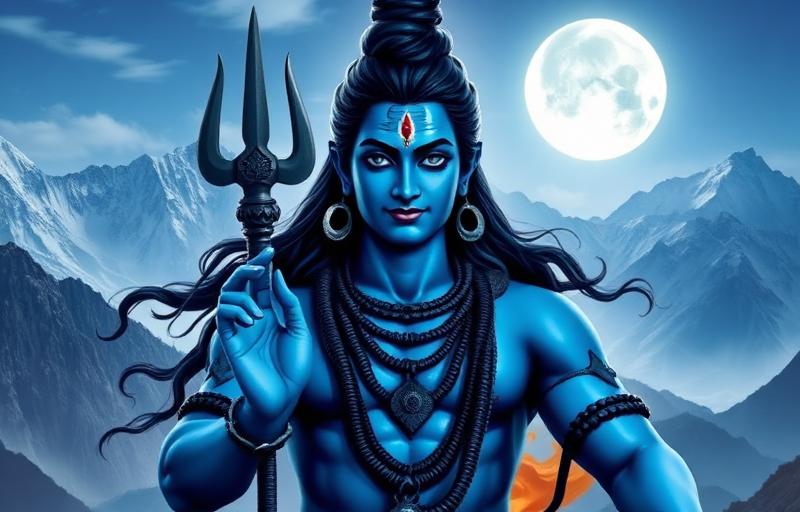
Kartikeya (Murugan) Aarti, Chalisa & Mantra - Complete Puja Vidhi
9 min read
Om Namah Shivaya Mantra Benefits & Meaning (ॐ नमः शिवाय)
9 min read

What Is Sankalp in Puja - Meaning, Significance & How to Do It
8 min read
Vrat ke Niyam - General Fasting Rules, Dos & Donts
9 min read
Chhath Puja vs Other Surya Worship - Key Differences Explained
9 min read
Masik Durgashtami - Significance & Monthly Puja Vidhi
8 min read