What Are the Three Gunas
Hindu philosophy describes all of nature, including the human mind, as being woven from three fundamental qualities called gunas. These are Sattva (purity, clarity and balance), Rajas (activity, passion and restlessness) and Tamas (inertia, dullness and resistance).
No person or object is considered to have only one guna. Instead, tradition holds that all three are always present together, with one usually dominant at a given time, shaping thought, mood and action.
Origin in Samkhya and the Bhagavad Gita
The concept of the three gunas originates in the Samkhya school of Hindu philosophy, which describes Prakriti, primal nature, as composed of these three strands. The Bhagavad Gita later dedicates an entire chapter, the Gunatraya Vibhaga Yoga, to explaining how the gunas influence food, worship, work and even the way a person faces death.
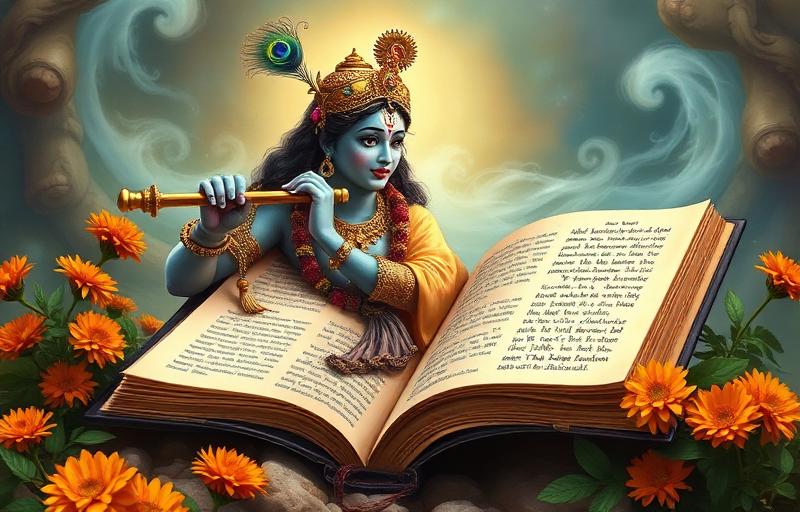
Krishna explains to Arjuna that liberation involves learning to rise above the pull of all three gunas rather than simply favouring one over another.
The Three Gunas With Everyday Examples
- Sattva shows up as calm thought, honest speech, fresh and simple food, and a mind drawn toward peace and devotion
- Rajas shows up as ambition, restlessness, spicy or stimulating food, and a mind drawn toward achievement and desire
- Tamas shows up as laziness, confusion, stale or heavy food, and a mind drawn toward avoidance and delusion
Tradition does not label Rajas or Tamas as evil, only as qualities that, left unchecked, pull a person away from clarity and peace.
Cultivating Sattva in Daily Life
Many devotees use the framework of the gunas to gently guide their daily choices, favouring sattvic food, honest work and calm company, while trying to notice when rajasic restlessness or tamasic dullness is taking over.
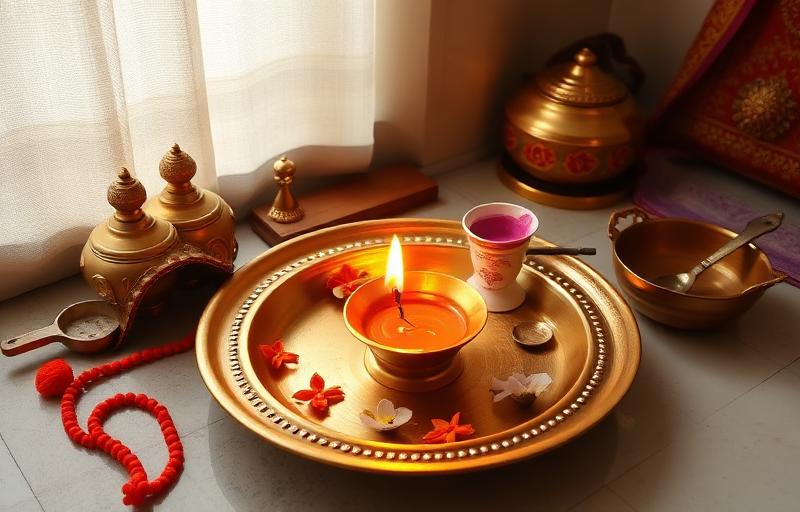
Simple practices like a quiet morning puja, mindful eating and a few minutes of silence are widely regarded as ways to nurture sattva without needing to renounce ordinary life.
The Takeaway
The three gunas are less a rulebook and more a mirror, offering devotees a gentle language to notice what is shaping their mind at any given moment. Recognising a rajasic or tamasic mood is itself considered the first step toward returning to balance.
As per tradition, the goal is not a life without Rajas or Tamas, since some activity and rest are both necessary, but a life where Sattva quietly guides the other two toward harmony.
What People Ask Most
What are Sattva, Rajas and Tamas?+
They are the three gunas, or fundamental qualities, that Hindu philosophy believes make up all of nature and the human mind. Sattva is purity and balance, Rajas is activity and passion, and Tamas is inertia and dullness.
Where does the concept of the three gunas come from?+
The gunas originate in the Samkhya school of Hindu philosophy and are explained in detail in the Bhagavad Gita, particularly in its chapter on Gunatraya Vibhaga Yoga.
Is Rajas or Tamas considered bad in Hindu philosophy?+
No, tradition does not treat Rajas or Tamas as evil. Both are considered necessary at times, but unchecked they can pull the mind away from clarity, which is why cultivating Sattva is encouraged.
About the author
Anjali Mehta · Editor, M.A. Religious Studies
Anjali is the managing editor for Vandnaa and oversees the festival and vrat coverage. She holds an M.A. in Religious Studies and reviews every published article for accuracy, accessibility, and tradition-fidelity.
Meet the Vandnaa editorial team →