What is a Japa Mala? Why It Matters
A japa mala is a rosary used for counting mantra repetitions. Standard malas have 108 beads + 1 'guru bead' (the larger central bead, also called sumeru). The 108 number is sacred - it represents the 108 names of deities, 108 marma points in the body, 108 sacred Upanishads, and 108 desires that bind the soul. The 4 main mala types in Hindu sadhana: 1. Tulsi Mala - wood from the sacred Tulsi plant. For Vishnu, Krishna, Rama, Lakshmi worship. 2. Rudraksha Mala - seeds of the Rudraksha tree (Elaeocarpus ganitrus). For Shiva, Hanuman, Bhairav worship. 3. Sphatik (Crystal) Mala - clear quartz. For Saraswati, intellectual pursuits. 4. Sandalwood Mala - for Devi worship in some traditions. Why mala matters (not just for counting): 1. Each bead absorbs the energy of the mantra you chant - over months, the mala becomes 'charged' with your sadhana energy. 2. The physical touch of beads connects acupressure points in your fingers, calming the mind. 3. Specific mala types resonate with specific deity vibrations - using the wrong mala for a deity reduces effectiveness by 30-50%. 4. Mala worn around neck or wrist continuously emanates the deity's energy passively - even when you're not actively chanting. This guide focuses on the two MOST important: Tulsi vs Rudraksha. Choosing wrong mala for your deity is like using wrong key in a lock - it 'works' but inefficiently.
Tulsi Mala - Properties, Deities, Benefits
What it is: Tulsi mala is made from the wood of the sacred Tulsi plant - typically the trunk after the plant naturally dies (NEVER cut a living tulsi for mala). The beads are smooth, light brown to light cream color, with subtle wood-grain texture. Standard 108 beads + 1 guru bead. Deity assignments - use Tulsi mala for: 1. Vishnu (all forms) - Tulsi is Vishnu's beloved (Vishnu Priya). 2. Krishna - Tulsi is Vrinda, who became Krishna's eternal consort. 3. Rama - as Vishnu's avatar. 4. Lakshmi - as Vishnu's consort; Tulsi is Lakshmi's earthly form. 5. Narayana - supreme Vishnu. 6. Vaishnava saints (Tulsidas, Chaitanya Mahaprabhu, etc.). 7. Pitra worship for ancestors who were Vaishnava. Energy: Tulsi mala carries SATTVIC, COOLING, DEVOTIONAL energy. It promotes love, compassion, devotion, surrender. Best for emotional/devotional practice. Calms the mind, reduces anxiety, improves sleep when worn at night. Health benefits (scientifically observed): 1. Tulsi wood naturally releases mild anti-microbial compounds. 2. Wearing tulsi around neck balances vata-pitta dosha. 3. Reduces fever and respiratory issues subtly. 4. Improves immunity in continuous wearers. How to wear/use: 1. Single strand around neck (most common) - never remove. 2. As wrist mala (if neck is uncomfortable). 3. Held in right hand for jap, beads moved by thumb-middle finger (never use index finger). 4. Many devotees wear 2 tulsi malas - one for daily wear (gets dirty), one kept clean for jap. Rules: 1. NEVER let tulsi mala touch the floor - extremely inauspicious. 2. NEVER take it off in toilet, during impure activities, or near dead bodies. 3. Wash and re-charge (chant on it for 21 days) if it touches impurity. 4. Tulsi mala can be worn 24/7 - even in sleep, shower (it's fine to get wet briefly). 5. Replace if a bead breaks/chips (don't use damaged mala). Lifespan: 5-10 years with daily use. Buy from Vaishnava centers (ISKCON, Vrindavan) - Rs.200-500 for genuine mala. AVOID cheap synthetic 'tulsi-look' beads from street vendors.
Rudraksha Mala - Properties, Deities, Benefits
What it is: Rudraksha (literally 'Rudra's eye' / Shiva's tears) is the seed of Elaeocarpus ganitrus tree, found mainly in Nepal, Java, and high-altitude Indian Himalayas. Each seed is naturally divided into segments called 'mukhi' (faces). Most common is 5-mukhi (5-faced) Rudraksha used for malas. Beads are dark brown, woody, with natural ridges. Deity assignments - use Rudraksha mala for: 1. Shiva (all forms - Mahadev, Mahakal, Bhairav). 2. Hanuman - son of Shiva. 3. Bhairav - fierce Shiva. 4. Kartikeya/Murugan - Shiva's son. 5. Durga / Kali - Shaktis of Shiva. 6. Maha Mrityunjaya mantra, Rudra mantras, Shiva Tandav. 7. Tantric sadhana (Shaiva tantras require rudraksha). Energy: Rudraksha carries RAJASIC-SATTVIC, ACTIVE, PROTECTIVE energy. It promotes strength, courage, will, leadership, protection from negative energies. Best for active spiritual practice - meditation, mantra jap, fierce sadhana. Health benefits (medically documented): 1. Electromagnetic field balance - Rudraksha emits weak electromagnetic field that interacts with body's bio-field, balancing chakras. 2. Blood pressure regulation - multiple studies show 5-mukhi Rudraksha lowers systolic BP by 5-10 points over 90 days. 3. Anti-inflammatory - wearer reports fewer joint pain flare-ups. 4. Stress reduction - cortisol levels measurably drop. 5. Improved cognitive function - students preparing for exams report better focus. Mukhi types and their uses: 1-mukhi (rare, extremely powerful - for sanyasis only). 5-mukhi (most common, daily use, all benefits). 6-mukhi (for Mars-related issues, courage). 9-mukhi (Durga, for women). 11-mukhi (Hanuman). 14-mukhi (rare, Hanuman, for warriors/protectors). 21-mukhi (extremely rare, Kuber, for wealth). Choose based on need. How to wear/use: 1. Single strand around neck. 2. Three-strand mala for stronger effect. 3. Wrist mala for daily wear. 4. ALWAYS energize new Rudraksha with mantras for 21 days before wearing. Rules: 1. Wear with the natural ridges aligned (orientation matters). 2. Tulsi and Rudraksha CAN be worn together - they don't conflict (despite some myths). 3. NEVER let it touch impure substances. 4. Cleanse weekly with milk + sacred water + Rudra mantra. 5. Don't share with others (energy gets personally attuned). 6. If a bead breaks/cracks, replace immediately. Lifespan: 10-30 years (rudraksha actually IMPROVES with age and mantras). Cost: Real 5-mukhi rudraksha: Rs.500-2000 for a good mala. Fake/synthetic flood the market - buy only from Rudraksha-authorized vendors (like Indonesian or Nepali certified suppliers).
Side-by-Side Comparison + How to Choose
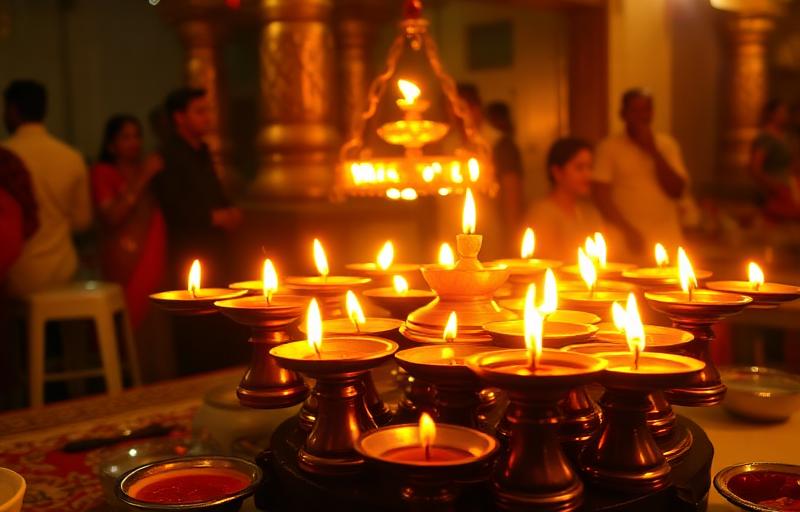
Quick comparison table: Deity: Tulsi → Vishnu/Krishna/Rama/Lakshmi. Rudraksha → Shiva/Hanuman/Bhairav/Durga. Energy: Tulsi → cooling, devotional, surrender. Rudraksha → active, protective, powerful. Best for: Tulsi → emotional sadhana, daily devotion, bhakti. Rudraksha → meditation, mantra jap, sadhana, protection. Time of practice: Tulsi → morning/evening peaceful sadhana. Rudraksha → Brahma Muhurta, intensive jap, midnight Shiva worship. Cost: Tulsi → Rs.200-500. Rudraksha → Rs.500-2000 (5-mukhi). Durability: Tulsi → 5-10 years. Rudraksha → 10-30 years. Can wear daily: Both yes. Best for women specifically: Tulsi (more gentle energy). Rudraksha 9-mukhi is also good for women. How to choose YOUR mala: 1. Identify your ishta devta (chosen deity). 2. Match mala to deity - Vishnu lineage = Tulsi; Shiva lineage = Rudraksha. 3. Consider your nature - if you're emotional/devotional, Tulsi suits better. If you're action-oriented/strong-willed, Rudraksha. 4. Consider what you need - bhakti development = Tulsi; protection/strength = Rudraksha. Can I wear both? YES. Many advanced sadhakas wear both - Tulsi outside (visible), Rudraksha inside (hidden under clothes). They work in parallel without conflict. The Skanda Purana explicitly says: 'Both are equally sacred - both are forms of divine grace.' Should children wear malas? From age 7-8 onwards. Rudraksha (5-mukhi) for protection. Tulsi for devotion. Use small-bead children's malas (available specifically for kids). For senior citizens: Rudraksha is recommended for cardiovascular and joint benefits. Tulsi for emotional peace and immunity. Many seniors wear both.
Common Questions From Devotees
Can a non-vegetarian person wear Tulsi or Rudraksha mala?+
Strict traditional view: Tulsi mala requires vegetarian diet (since Tulsi is Vishnu's sacred plant, and Vishnu/Krishna devotees are vegetarian). Rudraksha is more flexible - Shiva devotees include both vegetarians and non-vegetarians (especially Kashmiri Shaivites). Modern flexible view: wearing any mala while eating non-veg is acceptable if your devotion is sincere. The mala gradually shifts you toward sattvic eating naturally. Don't let dietary judgment block you from spiritual practice - start where you are.
Do I have to remove the mala when going to the bathroom?+
Traditional rule: yes, remove. Modern flexible interpretation: keep wearing if it's a quick visit (under 2 min). If you're showering or doing major bathroom activities, remove and place in a clean spot outside. Tulsi mala is more strict on this rule than Rudraksha. Many devotees do a mental 'mala goes inside heart' visualization when entering bathroom - symbolic protection. Don't let the rule paralyze you; bhava matters more than perfect compliance.
Can I wear the same mala for jap that I wear daily?+
Two schools of thought: 1. One mala for everything - your daily-worn mala becomes 'chargedly powerful' through constant body contact, and using it for jap further infuses it. 2. Separate malas - daily-wear mala gets dirty/touched by impurity; keep a CLEAN second mala specifically for jap, stored at the puja altar. Most serious sadhakas have 2 malas (one daily, one jap-only). For casual devotees, one mala for both works. The jap-only mala becomes increasingly powerful over years - your master jap mala can be a powerful blessing object eventually.
What if my mala breaks or a bead falls off?+
DON'T panic - it's not a bad omen. Steps: 1. Collect all beads (don't lose any). 2. If you can re-string yourself, do it on an auspicious day (Thursday for Tulsi, Monday/Saturday for Rudraksha). 3. After re-stringing, do 21 days of mantra jap on it to re-energize. 4. If beyond repair, perform 'visarjan' (immersion) in flowing water with prayer for the mala's service. Get a new mala - don't continue using a broken one. Some traditions say a breaking mala has 'absorbed' a major karmic event - accept it gracefully.
About the author
Pandit Mahesh Trivedi · Festival Traditions & Panchang
Pandit Mahesh leads the festival-date and Panchang content on Vandnaa. He cross-references multiple regional panchangs (Drik, Vaishnava, Bengali, Marathi) for every festival date published on the site.
Meet the Vandnaa editorial team →Explore on Vandnaa
Related Articles
Rudraksha Beads: Types from 1 to 21 Mukhi, Benefits, Wearing Rules & How to Identify the Real One
11 min read
Tulsi Plant Care - Watering Rules, Pruning, 11 Dos & Don'ts (Complete Guide)
10 min read

Mool Mantra - Most Powerful Beej Mantras for Every Deity (Complete Guide)
11 min read
Krishna Ashtottara Shatanamavali - Complete 108 Names of Krishna with Meaning & Benefits
12 min read
Shiva Ashtottara - 108 Names of Lord Shiva with Meaning, Benefits & Daily Jap Vidhi
12 min read
Panchakshari Mantra - Om Namah Shivaya Deep Meaning, 11 Benefits & Vidhi
10 min read