What Is the Panch Kroshi Yatra
Beyond the temples and ghats that most visitors associate with Varanasi lies a lesser known but deeply cherished tradition, the Panch Kroshi Yatra, a circumambulation of the entire sacred zone of Kashi. The name comes from "panch," meaning five, and "kroshi" or "kos," an old traditional unit of distance, referring to the path that traces the boundary of this holy area.
Rather than visiting one temple, this yatra treats the whole of Kashi as a single sacred object worthy of parikrama, walked around with reverence just as a devotee circles a deity in a temple sanctum.
The Tradition's Roots in Kashi's Sacred Geography
Traditional texts describing Kashi's glory, including passages found within the Kashi Khanda, speak of the city as a living, sacred boundary protected in its entirety, not just at its temples and ghats. The Panch Kroshi route is understood as the traditional marker of this protected zone, dotted along its length with numerous small shrines that pilgrims halt at during the journey.
Walking this boundary is regarded as walking the very edge of a blessing, a reminder that in Kashi, sanctity is not confined to a single sanctum but is believed to rest upon the ground itself, wherever a devotee's feet may fall within it.
The Merit Devotees Associate With This Yatra
Tradition holds that completing the Panch Kroshi Yatra carries immense spiritual merit, since it is, in essence, a pilgrimage across the entirety of Kashi's sacred ground rather than to any single shrine. Devotees believe that this walk draws together the blessings of every temple and tirtha that lies along its path into a single, unified act of devotion.
Many pilgrims undertake it not for any single wish, but as an offering of effort and endurance itself, treating the journey as a form of tapasya, a disciplined act of devotion performed with the body as much as the heart.
How the Yatra Is Traditionally Performed
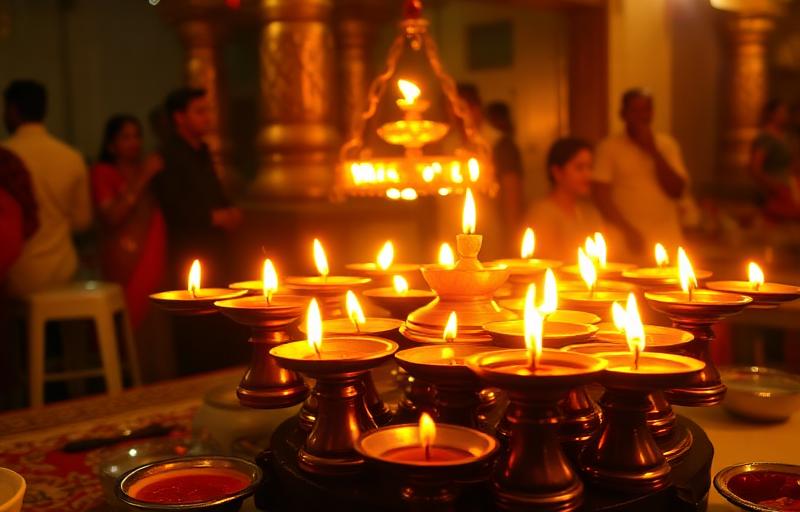
Pilgrims traditionally undertake the Panch Kroshi Yatra on foot, halting overnight at dharamshalas and small shrines that line the route, observing simple meals or fasting along the way. Many devotees complete it in about five days, though the pace is left to each pilgrim's own devotion, stamina and circumstances.
The auspicious period of Purushottam Maas, the additional month that appears periodically in the Hindu calendar, along with the month of Kartik, are considered especially meritorious times to undertake this yatra, and pilgrims often travel in groups, singing bhajans as they walk from one halting point to the next.
Practical Notes for Devotees Considering This Yatra
Because the route passes through many small shrines and lesser known lanes of the city, most pilgrims choose to undertake this yatra with the guidance of a local priest, an organised group, or a knowledgeable companion familiar with the traditional halting points. Comfortable footwear and modest, simple clothing suited to walking are far more important here than they would be for a typical single-temple visit.
Pilgrims beginning their journey usually seek blessings at a temple near their starting point before setting out, and conclude with a final prayer of gratitude upon returning to where they began, completing the full circle.
The Takeaway: Walking as Prayer
Pilgrims on this yatra often remember a simple thought as they walk:
Kashi kshetra parikrama, sakala tirtha samana (The circumambulation of Kashi's sacred zone is regarded as equal to visiting countless tirthas)
This idea sustains many through the physically demanding days of the journey.
The Panch Kroshi Yatra teaches that devotion is not always expressed through stillness before a deity. Sometimes it is expressed through the steady, patient rhythm of footsteps on sacred ground. Worship here is an act of faith and love, not a transaction, offered one step at a time across the earth of Kashi.
What People Ask Most
What does Panch Kroshi Yatra mean?+
Panch means five and kroshi (kos) is an old traditional unit of distance, referring to the traditional path that circles the entire sacred boundary of Kashi, treating the whole city as an object of pilgrimage.
How long does the Panch Kroshi Yatra traditionally take?+
Many devotees complete it in about five days on foot, halting overnight at dharamshalas and shrines along the route, though the exact pace is left to each pilgrim's own devotion and stamina.
When is the most auspicious time to undertake the Panch Kroshi Yatra?+
The period of Purushottam Maas, the additional month that appears periodically in the Hindu calendar, along with the month of Kartik, are considered especially meritorious times for this yatra.
About the author
Pandit Ravindra Sharma · Vedic Rituals & Bhakti, 22+ years
Pandit Ravindra is the Vandnaa editorial team's resident specialist on aarti, chalisa, and daily devotion. He has performed home and temple pujas across Varanasi and Delhi for over two decades and contributes the bhakti-focused articles on this site.
Meet the Vandnaa editorial team →